
Ready to unlock radiant, resilient skin in 2026? The world of repairing skin care is evolving fast, and you deserve to know the secrets that help restore your skin’s natural vitality.
This essential guide is designed to give you a comprehensive roadmap for repairing skin care, tailored to the unique challenges and cutting-edge innovations of 2026. We’ll dive into what causes skin damage today, explore the newest strategies for repair, and reveal breakthrough ingredients that actually work.
Curious about step-by-step routines or expert advice? You’ll find practical solutions and the latest trends right here. Let’s start this journey together and see visible transformation—your healthiest skin is closer than you think.
Understanding Skin Damage: Causes & Modern Triggers
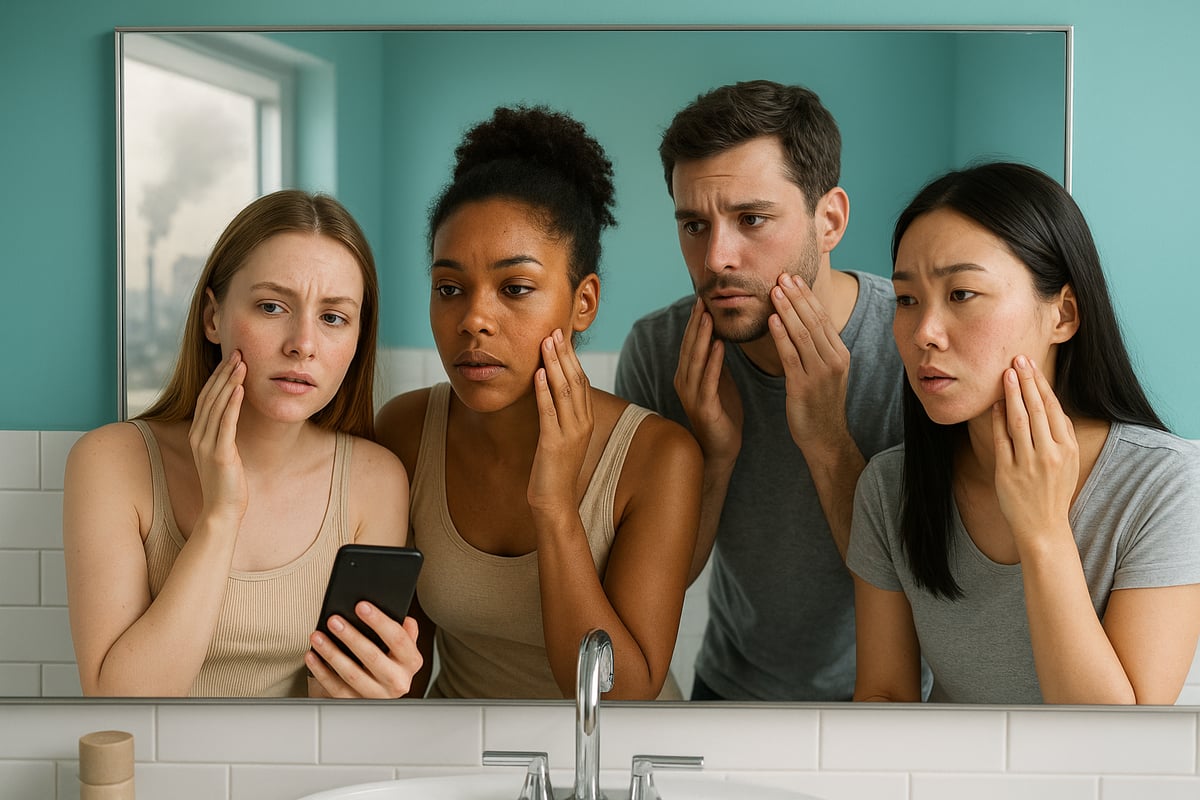
Our skin faces more challenges than ever in 2026. Environmental stressors, like pollution, blue light, and shifting climates, are having a deeper impact on skin health each year. These modern threats can weaken the skin barrier, making repairing skin care essential for everyone.
Lifestyle choices also play a major role. High stress, poor sleep, and unbalanced diets disrupt the delicate skin barrier, leading to dryness and sensitivity. Many of us unknowingly contribute to damage by overusing active ingredients, which can cause “skincare fatigue” and slow down natural healing.
Digital aging is another rising concern. Prolonged screen time exposes us to high-energy visible (HEV) light, which accelerates aging and weakens skin resilience. Medical conditions, such as eczema, psoriasis, and lingering acne scars, further compromise the skin’s ability to repair itself.
Did you know? Recent studies from 2024 reveal a 30% increase in reported skin sensitivity among urban dwellers. People living near wildfire-prone areas often experience even more severe barrier dysfunction. For deeper insights and solutions, explore the Clear skin studio guide, which covers the root causes and innovative approaches to repairing skin care.
The Science of Skin Repair: How Healing Happens
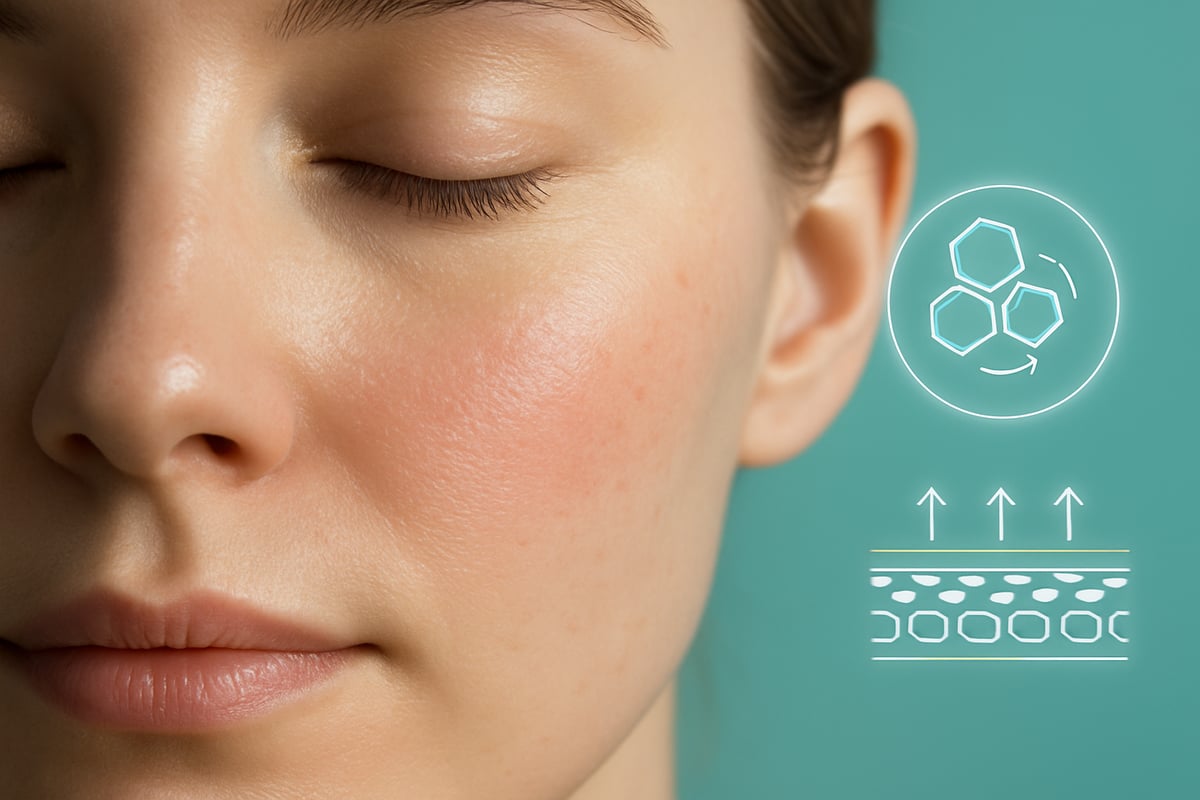
Understanding how the skin heals is at the heart of every effective repairing skin care routine. The outermost layer, called the stratum corneum, acts as your body’s shield, locking in moisture and keeping irritants out. If you’re curious about the details, this Skin barrier function explained resource offers a helpful deep dive.
Our skin naturally repairs itself through a series of fascinating processes. Cell turnover, where old cells shed and new ones emerge, keeps our complexion fresh. Lipid synthesis ensures the barrier stays strong and flexible, while a balanced microbiome supports defense and recovery.
Inflammation plays a double role. Short-term inflammation is a signal for healing, but chronic inflammation can slow repair and even lead to scarring. Growth factors and peptides act as messengers, encouraging cell renewal and supporting the skin’s natural structure.
As we age, the pace of these repair mechanisms slows. This means mature skin may need extra support from targeted ingredients and thoughtful routines. Recent research highlights how a healthy skin microbiome is vital in restoring barrier function and accelerating recovery.
A simple comparison shows the difference: younger skin tends to heal from minor damage far more quickly than mature skin. This makes repairing skin care crucial for all ages, ensuring your skin stays resilient and ready to face modern challenges.
Essential Ingredients for Skin Repair in 2026
Choosing the right ingredients is at the heart of effective repairing skin care. With so many advances in 2026, it's easier than ever to target damage and restore your skin's health. Let’s explore what really works for true transformation.
Breakthrough Actives
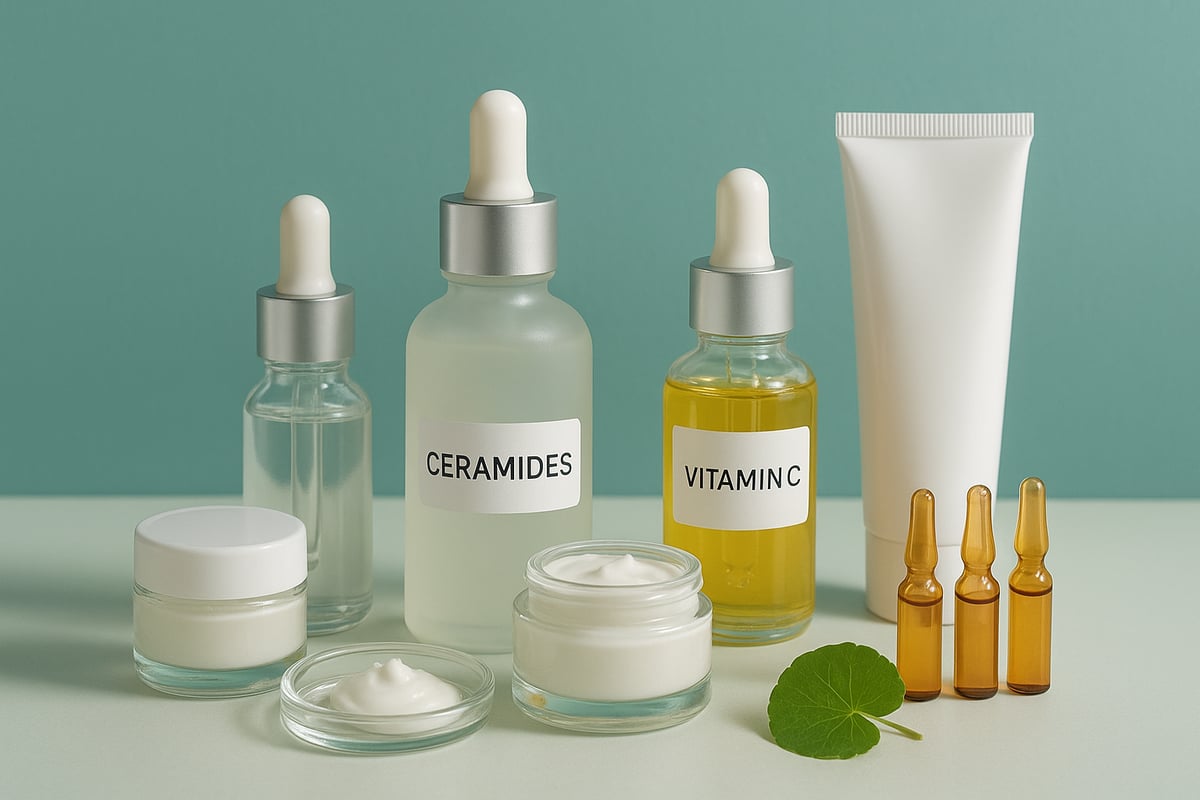
The new wave of repairing skin care in 2026 features powerhouse actives. Ceramides replenish lost barrier lipids, locking in moisture for lasting comfort. Peptides stimulate collagen and elastin, rebuilding your skin’s structure from within.
Niacinamide stands out for reducing inflammation and strengthening resilience. Postbiotics are gaining momentum, supporting the microbiome and enhancing recovery. Clinical trials reveal that advanced peptide blends can speed up repair by 40 percent.
Emerging actives such as azelaic acid are also making waves, helping with acne, redness, and pigmentation. You can learn more about the benefits of azelaic acid for skin clarity and how it fits into this new era of repairing skin care.
Clean & Safe Formulations
Modern skin demands gentle, safe formulations. Look for fragrance-free, alcohol-free, and non-comedogenic standards to avoid irritation. Minimal ingredient lists are now the gold standard, especially for sensitive skin.
A recent 2025 survey found that 68 percent of users prefer clean, hypoallergenic formulas for their repairing skin care routines. This shift helps reduce reactions and supports barrier recovery.
Antioxidants & Soothing Agents
Antioxidants like vitamin C and E offer crucial protection, neutralizing free radicals from daily pollution and UV exposure. Soothing agents such as Centella Asiatica, allantoin, and panthenol calm inflammation and accelerate your skin’s healing process.
Many users report visible results after adding antioxidant serums to their repairing skin care, especially after environmental stress. This approach not only speeds up recovery but also leaves skin more resilient for the future.
Step-by-Step Repairing Skin Care Routine for 2026
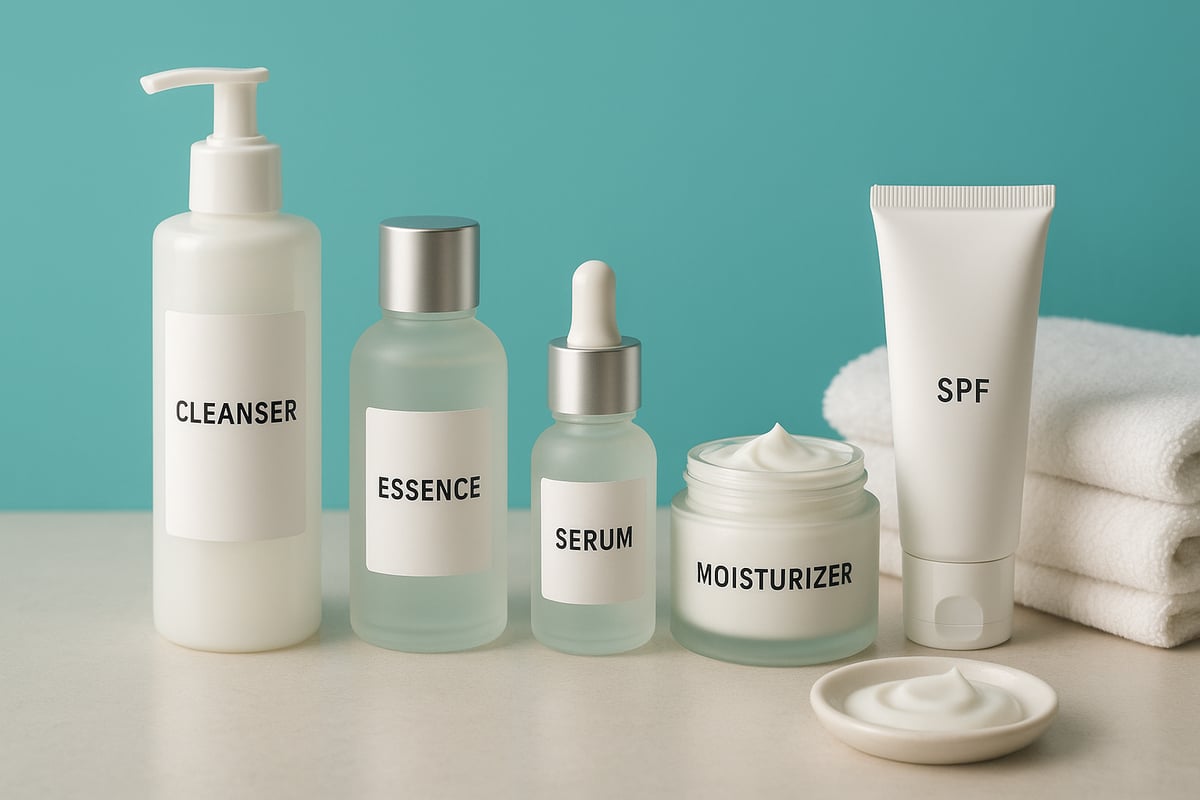
Ready to transform your skin? Follow this simple, science-backed repairing skin care routine for visible results. Each step is designed to restore balance, boost resilience, and support your journey to healthier skin. If you want a deeper dive into a full daily regimen, check out our complete skin care routine for expert tips.
Step 1: Gentle Cleansing
Start with a sulfate free, pH balanced cleanser to sweep away dirt and pollutants. For those living in busy cities, double cleansing helps remove sunscreen and micro-particles. Sensitive skin types are turning to micellar water, which lifts debris without disrupting the skin barrier. This gentle approach prevents irritation and sets the stage for effective repair.
Step 2: Hydration & Barrier Support
Layer hydrating toners and essences with humectants like glycerin and hyaluronic acid. These ingredients draw water into the skin, while barrier creams seal in moisture. In clinical settings, barrier creams reduce TEWL by up to 50 percent, making this step essential for any repairing skin care routine. Hydration is the foundation for a resilient complexion.
Step 3: Targeted Repair Treatments
Apply serums featuring peptides, ceramides, and niacinamide to target weakened areas. Spot treatments can soothe irritation or accelerate repair where needed. Many find that using a barrier repair mask at night boosts recovery for stressed skin. Consistency with these targeted treatments helps address specific concerns and supports long term skin health.
Step 4: Moisturization & Protection
Choose moisturizers packed with barrier repair and anti-inflammatory ingredients. These formulas lock in hydration and shield against daily stressors. Daily broad spectrum SPF is non negotiable, protecting from further damage. Many now prefer tinted moisturizers with built in sun protection for a streamlined approach to repairing skin care and daily defense.
Step 5: Lifestyle & Supportive Habits
Great skin care extends beyond products. Prioritize sleep, balanced nutrition, and stress management for optimal repair. Avoid over exfoliation, harsh treatments, and environmental triggers. Holistic routines have led to 25 percent fewer flare ups in users, proving that healthy habits are just as important as what you put on your skin.
Choosing the Right Products: What to Look For
Selecting the right products is the cornerstone of effective repairing skin care. With so many options, it helps to know what really matters for restoring your skin barrier and overall health.
Start with ingredient transparency. Check labels for proven actives like ceramides, peptides, and niacinamide, and avoid harsh irritants such as alcohol or fragrance. For those seeking a deeper dive into the best serums for barrier repair, the Skin barrier serums guide breaks down top options and what sets them apart.
Look for trusted certifications. Dermatologist-tested, allergy-tested, and non-toxic seals reassure you about product safety. Minimalist formulas with fewer ingredients are ideal, especially for sensitive or compromised skin.
Match product texture to your skin type. Creams work well for dry or mature skin, gels suit oily types, and oils can deeply nourish damaged barriers.
| Skin Type | Best Texture | Example Use |
|---|---|---|
| Dry | Cream | Nighttime hydration |
| Oily | Gel | Lightweight moisture |
| Sensitive | Balm/Oil | Barrier repair |
Always patch test new products. Apply a small amount behind your ear or on your forearm and wait 24 hours to check for reactions. Introduce new repairing skin care items one at a time, allowing your skin to adjust.
Users who switched to minimalist, barrier-focused routines often report fewer flare-ups and better comfort. In fact, 2025 consumer reports noted a 60% increase in barrier-repair product sales, highlighting a growing trust in science-backed solutions.
Expert Tips & Innovations for Accelerated Skin Repair
Unlocking the full potential of repairing skin care in 2026 means embracing the latest science, technology, and expert advice. Let’s explore the most effective ways to accelerate skin healing and see real transformation.
Prioritize Nighttime Repair
Did you know your skin’s natural repair mechanisms peak while you sleep? Take advantage of this window by focusing on repairing skin care at night. Rich serums, overnight masks, and gentle actives work best when your skin is in recovery mode.
Explore At-Home Devices
Integrating LED therapy and microcurrent devices can amplify your results. These tools help reduce inflammation, boost collagen, and speed up healing after environmental stress. Many users notice visible improvements after just a few weeks of consistent use.
Consider Professional Treatments
For stubborn damage, in-office solutions like microneedling and laser therapy are game changers. These treatments target scars, pigmentation, and texture issues that home routines may not fully address. Combining professional and at-home care can deliver up to 35% faster results, according to recent studies.
Personalize Your Routine with Technology
AI-powered skin analysis is making it easier to customize repairing skin care. New apps and smart devices assess your skin’s needs and suggest tailored product routines. Staying updated on 2026 skincare trends can also guide you toward the most advanced, effective options.
Adjust with the Seasons
Environmental factors change throughout the year. Swap products and routines to match the climate, whether that means richer creams in winter or lighter layers during summer. Those who embrace holistic, flexible approaches often see fewer flare-ups and more resilient skin.
The future of repairing skin care lies in blending innovation with expert insight, so you can achieve healthier, more radiant skin—no matter what challenges come your way.
We've covered a lot together—from understanding what really causes skin damage to building a routine that helps your skin repair and thrive. If you're feeling inspired to put these tips into action and want products made with care and expertise, you're not alone. At Meta Skin Studio, every formula is crafted by skin therapists who truly get what your skin needs for gentle, real transformation. Ready to see the difference for yourself? Let's take the next step toward radiant, resilient skin—Transform your skin today!
0 comments