
Your skin deserves more than just basic hydration. We're living in an era where understanding what goes into your skincare products matters just as much as how they make you feel. Whether you're dealing with fine lines, breakouts, or simply want to maintain a healthy glow, choosing the right skin cream can transform your daily routine into a powerful act of self-care. Let's explore how to navigate the world of professional-grade skincare and find formulations that truly work for your unique needs.
Understanding Different Types of Skin Creams
The world of skin creams extends far beyond simple moisturizers. Each formulation serves a specific purpose, targeting different concerns and working at various depths within your skin.
Day creams typically feature lighter textures with added sun protection and antioxidants. They're designed to shield your skin from environmental stressors while providing hydration that won't interfere with makeup application.
Night creams tend to be richer and more concentrated. During sleep, your skin enters repair mode, making evening the ideal time for intensive treatments focused on skin barrier restoration. These formulations often contain higher concentrations of active ingredients like retinoids, peptides, and nourishing oils.
Specialized Treatment Creams
Treatment-focused options target specific concerns:
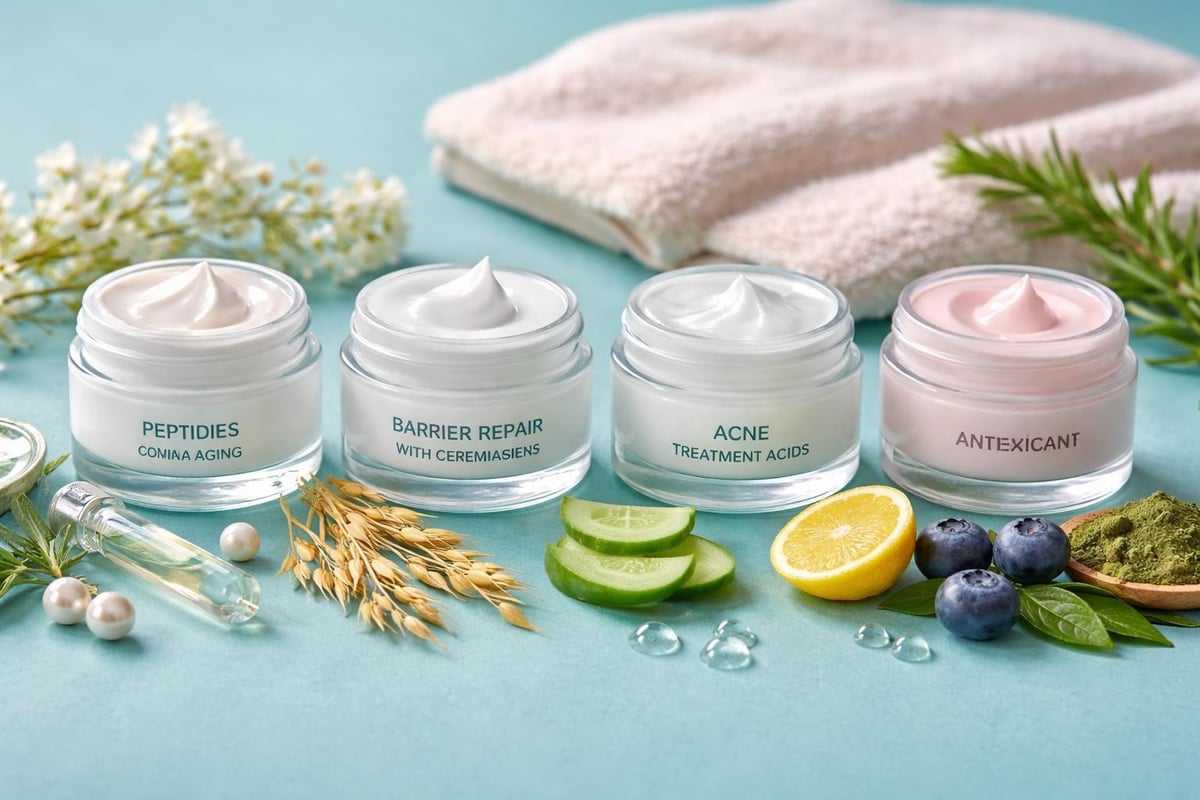
- Anti-aging formulations with retinol and peptides
- Acne-fighting creams containing salicylic acid or benzoyl peroxide
- Brightening creams with vitamin C and niacinamide
- Barrier repair creams rich in ceramides and fatty acids
- Sensitive skin formulas with soothing botanicals
Key Ingredients That Make a Difference
Understanding what's inside your skin cream empowers you to make informed choices. Recent research on the molecular structure of skincare products has revealed how ingredient interactions affect product performance.
| Ingredient Type | Primary Benefits | Best For |
|---|---|---|
| Hyaluronic Acid | Deep hydration, plumping | All skin types |
| Retinol | Cell turnover, anti-aging | Mature, sun-damaged skin |
| Niacinamide | Pore refinement, brightening | Combination, acne-prone |
| Ceramides | Barrier repair, moisture retention | Dry, sensitive skin |
| Peptides | Collagen support, firming | Aging, loss of elasticity |
| Vitamin C | Antioxidant protection, brightening | Dull, uneven tone |
Professional-grade formulations combine these ingredients strategically. For instance, serums often deliver concentrated actives before you apply your skin cream, creating a layered approach to skincare.
How to Choose the Right Formulation
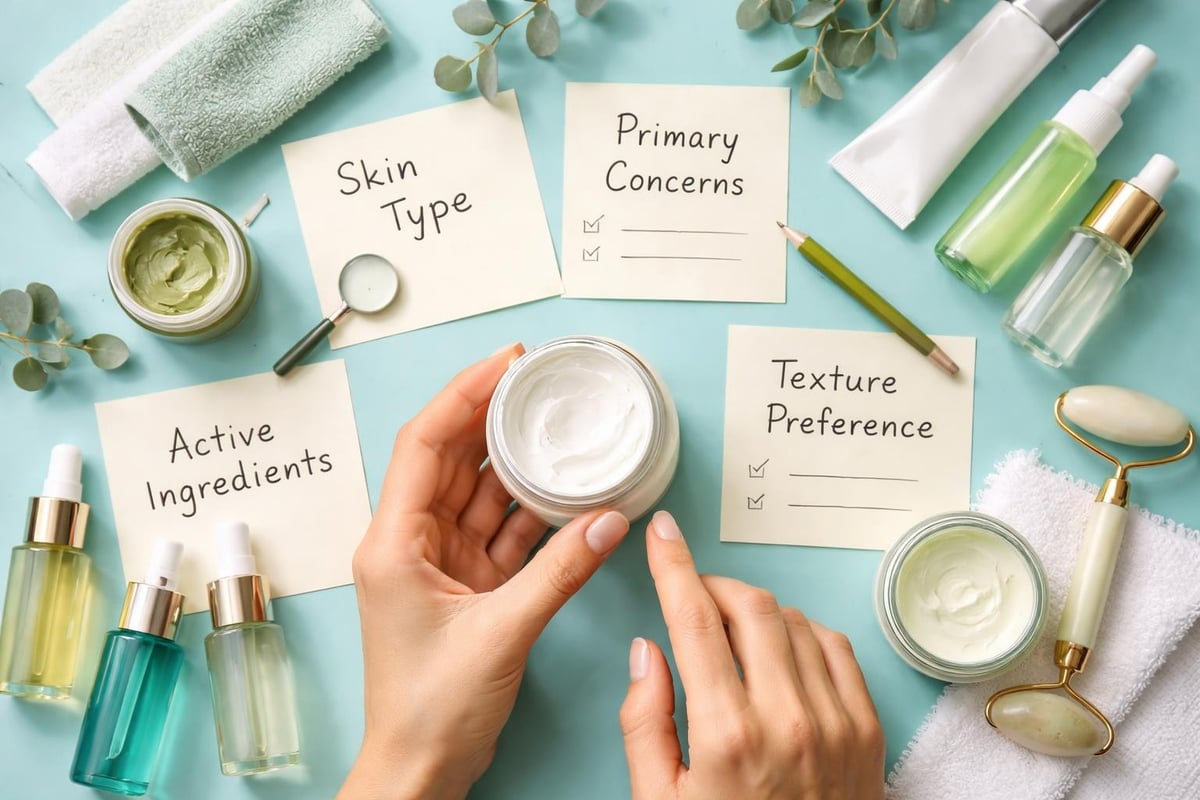
Selecting the perfect skin cream starts with honest self-assessment. Your skin type, concerns, and lifestyle all play crucial roles in determining which product will serve you best.
Assess Your Skin's Current Needs
Rather than relying solely on your perceived skin type, consider these factors:
- Hydration levels: Does your skin feel tight after cleansing?
- Oil production: Where and when does shine appear?
- Sensitivity: How does your skin react to new products?
- Specific concerns: What bothers you most about your complexion?
- Environmental factors: Climate, pollution, indoor heating or cooling
Your skin's needs change seasonally and with age. What worked in your twenties might not address concerns that emerge in your thirties or beyond. According to comprehensive skin care research, adapting your routine as your skin evolves is essential for maintaining healthy skin long-term.
Application Techniques for Maximum Benefits
Even the most advanced skin cream won't deliver optimal results without proper application. We often underestimate how technique impacts absorption and effectiveness.
Start with clean, slightly damp skin. Moisture on your skin's surface helps products spread evenly and penetrate more effectively. Pat your face dry after cleansing, leaving it just slightly moist.
The Right Amount Matters
You don't need to slather on product. A pea-sized amount for your entire face is typically sufficient. Divide this between your fingertips and apply to five points: forehead, both cheeks, nose, and chin. Then blend outward using gentle, upward motions.
Layering sequence makes a difference too. Thinner consistencies go first, building up to richer textures. If you're using targeted treatments for specific areas, apply those before your all-over face cream.
- Apply products from thinnest to thickest consistency
- Wait 30-60 seconds between layers for absorption
- Use gentle patting motions rather than rubbing
- Don't forget your neck and décolletage
- Always finish morning routines with SPF protection
Professional-Grade vs. Over-the-Counter Options
The skincare market offers countless choices at every price point. Understanding what distinguishes professional-grade formulations helps you invest wisely in your skin's health.
Professional formulations typically feature higher concentrations of active ingredients and more sophisticated delivery systems. They're developed with dermatological research backing their ingredient selections and combinations.
| Feature | Professional-Grade | Over-the-Counter |
|---|---|---|
| Active Concentration | Higher percentages | Lower percentages |
| Ingredient Quality | Clinical-grade | Variable quality |
| Testing | Extensive efficacy studies | Basic safety testing |
| Formulation Complexity | Advanced delivery systems | Standard emulsions |
| Customization | Targeted solutions | General concerns |
Products developed by skin therapists consider how ingredients work synergistically. For example, transformation creams combine multiple actives in stable formulations that deliver consistent results.
Building Your Complete Skincare Routine
Your skin cream shouldn't exist in isolation. It's part of a comprehensive approach to skin health that includes cleansing, treatment, and protection.
Morning routines focus on protection and preparation:
- Gentle cleanser appropriate for your skin type
- Treatment serum targeting primary concerns
- Lightweight skin cream for daytime hydration
- Broad-spectrum SPF as your final step
Evening routines emphasize repair and renewal. After cleansing, you might incorporate active treatments like retinoids or acids, followed by a richer night cream that supports your skin's natural regeneration process.
Seasonal Adjustments
Your skin cream needs will shift throughout the year. Winter often requires richer, more protective formulations, while summer might call for lighter, oil-free options. Pay attention to how your skin responds and adjust accordingly.
Consider scheduling professional treatments periodically to reset your skin and receive personalized guidance on your home care routine.
Clean Beauty and Safe Ingredients
Today's informed consumers want to know exactly what they're putting on their skin. Clean beauty doesn't mean compromising on effectiveness; it means choosing formulations that prioritize both results and safety.
Look for products that are transparent about their ingredient sourcing and manufacturing processes. California-based companies often adhere to particularly strict standards, ensuring formulations are free from questionable ingredients while maintaining clinical efficacy.
Red flags to avoid include parabens in high concentrations, synthetic fragrances that cause sensitivity, and ingredients that disrupt hormonal balance. Instead, seek out products with recognizable active ingredients supported by scientific research.
Finding the right skin cream transforms your daily routine from a chore into a ritual of self-care that delivers visible results. By understanding ingredients, choosing formulations that address your specific concerns, and applying products correctly, you're investing in your skin's long-term health and vitality. For professionally developed, California-made skincare solutions created by skin therapists who understand real skin concerns, explore what Meta Skin Studio offers. Their commitment to clean, effective formulations means you can trust what you're putting on your skin while achieving the transformation you deserve.
0 comments