
Are you feeling overwhelmed by the endless choices in skincare skin types and not sure which products are right for you? You are not alone. With new ingredients and technologies making headlines every year, it can be tough to know where to start.
This guide is here to help you confidently identify your skincare skin types and discover the most effective routines for 2026. We will break down the main skin types, explore the latest trends and diagnostic tools, and share expert-approved routines tailored just for you.
Get ready for clear answers, personalized tips, and easy steps that will empower you to achieve healthy, glowing skin.
Understanding the Main Skin Types
When it comes to skincare skin types, understanding what makes your skin unique is the first step toward healthy, glowing skin. Each of us falls into one of five main categories: normal, dry, oily, combination, or sensitive. Let’s break down what sets them apart.
| Skin Type | Key Characteristics | Common Triggers |
|---|---|---|
| Normal | Balanced, few imperfections | Seasonal changes, stress |
| Dry | Flakiness, tightness, dull appearance | Cold weather, low humidity |
| Oily | Shine, enlarged pores, breakouts | Heat, hormones, humidity |
| Combination | Oily T-zone, dry/normal cheeks | Weather shifts, products |
| Sensitive | Redness, stinging, irritation | Fragrances, pollution |
Skincare skin types are shaped by genetics and hormones, but lifestyle and environment also play big roles. For example, a 2024 dermatological study found that oily and combination types are on the rise, especially in urban populations.
You might notice your skincare skin types shift with the seasons. Winter can bring dryness, while summer often increases oiliness. Misreading your type is common and can lead to using the wrong products, which may cause irritation or breakouts.
Accurately identifying your skin type is crucial for building an effective routine. For more in-depth advice on tailoring your regimen, you can check out this Complete skin care guide.

How to Identify Your Skin Type at Home
Curious about your unique skin? Knowing your skincare skin types is the first step toward a routine that truly works. Let’s explore simple, science-backed ways to discover what your skin needs.
Step-by-Step Self-Diagnosis
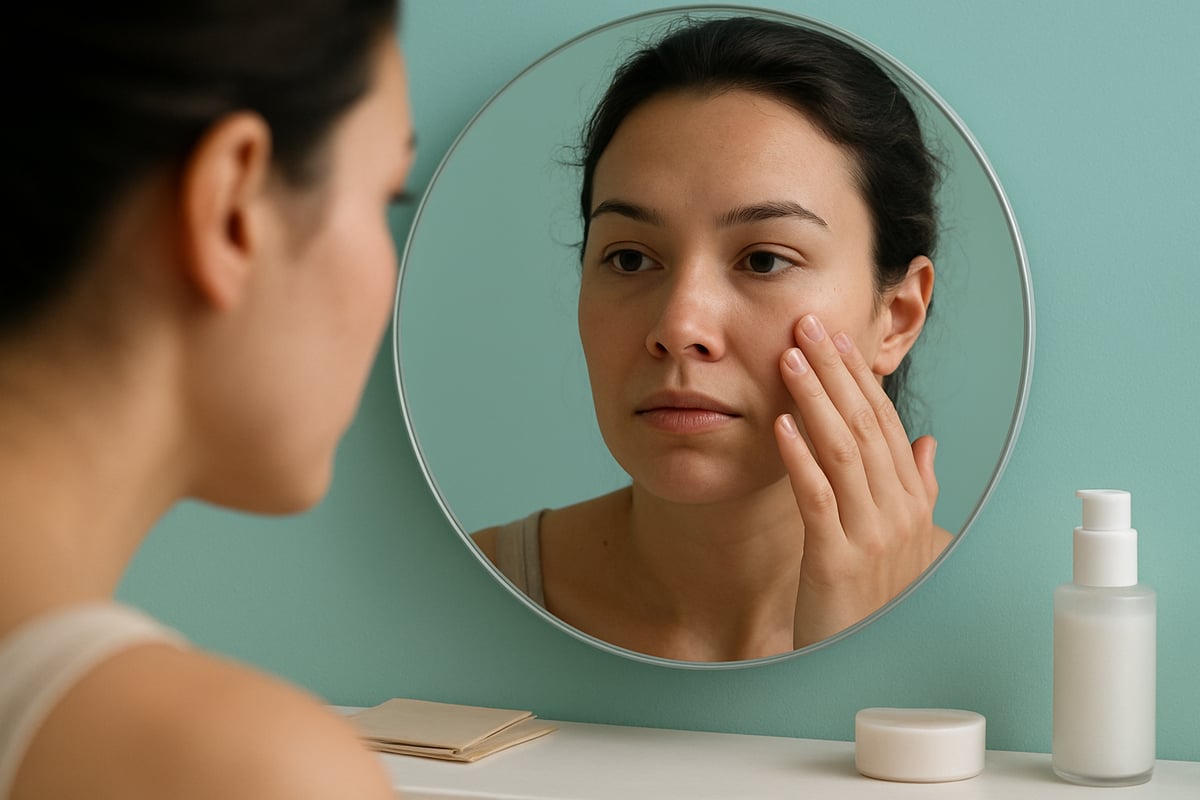
Try the “bare-faced test” at home:
- Wash your face with a gentle cleanser.
- Pat dry, then wait 60 minutes without applying products.
- Observe your skin: does it feel tight, shine, or show patches?
Next, use the blotting sheet method. Gently press blotting paper on different areas. If the sheet picks up lots of oil, you may have oily skin. Minimal oil suggests dry skin, while mixed results indicate combination.
What to Look For After Cleansing
Notice your skin’s natural state:
- Texture: Is it rough, smooth, or flaky?
- Shine: Does your forehead or nose look glossy?
- Tightness: Do you feel discomfort or dryness?
These clues help pinpoint sensitive, oily, dry, or combination skincare skin types. Take note of any redness or irritation, too.
Common Mistakes and Sensitive vs. Reactive Skin
Many people misjudge their skin by cleansing too harshly or too often. This can alter your skin’s appearance and lead to incorrect assumptions. For more tips on avoiding mistakes, check out Common face washing mistakes.
Sensitive skin reacts easily to new products, while temporarily reactive skin might only flare up due to stress or weather.
Age, Hormones, and Self-Assessment Accuracy
Remember, age and hormonal changes can shift your skin type over time. Dehydration often mimics dryness, but adding water-based hydration can make a big difference. Recent surveys reveal that over half of us misidentify our skincare skin types, so reassess regularly for best results.
The Latest Trends in Skincare for Different Skin Types (2026 Edition)
Staying ahead in the world of skincare skin types means embracing the latest breakthroughs and innovations. In 2026, new technology, ingredient science, and sustainability efforts are transforming how we care for every skin type. Let’s explore what’s making waves and how you can benefit.
Personalized Skincare Technology
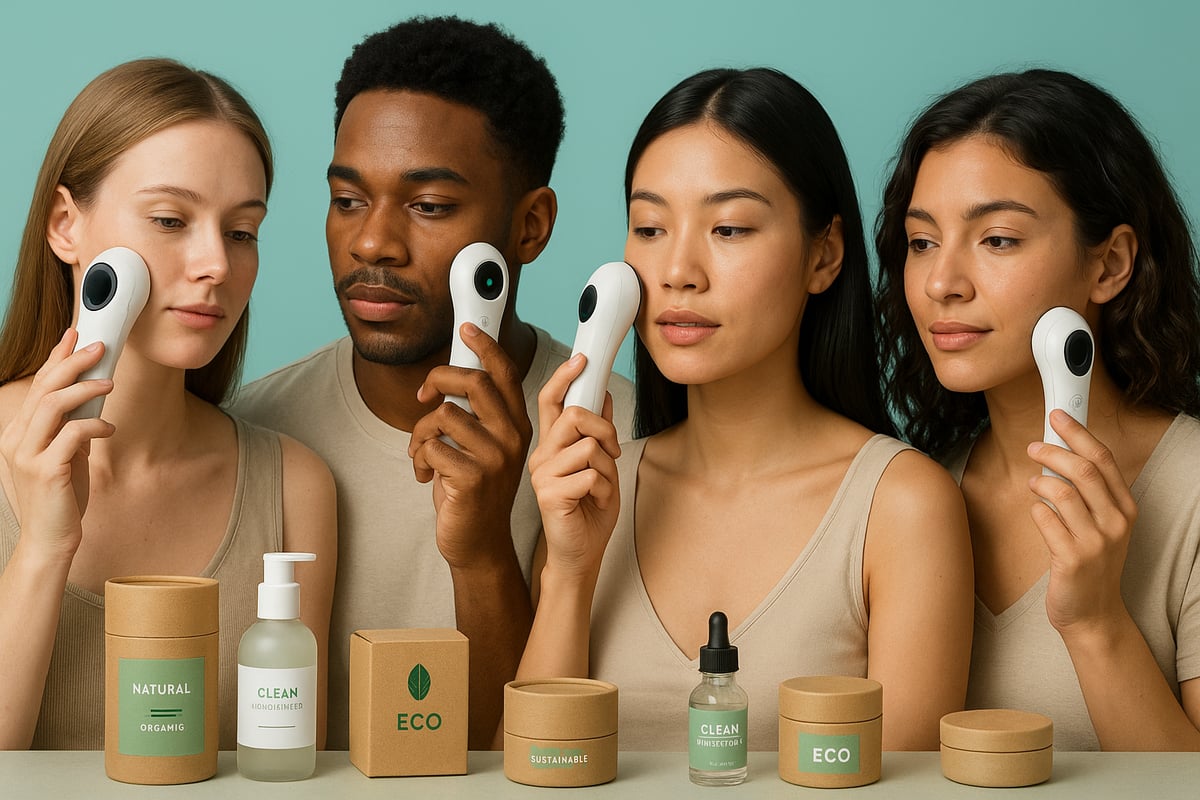
Personalized routines are now at our fingertips thanks to AI-powered tools. Apps and at-home devices can scan your skin and recommend routines specific to your skincare skin types. DNA and microbiome testing are also gaining ground, offering even more tailored solutions based on your unique biology.
For example, in 2025, 40% of US skincare users tried tech-based analysis, highlighting the popularity of these innovations. If you are curious about how these technologies work, check out AI-powered skin analysis solutions for a deeper dive into this trend.
Ingredient Innovations by Skin Type
Ingredient research is moving fast, bringing exciting new options to the table for each skincare skin types category. For sensitive skin, postbiotics help calm irritation, while adaptogens are perfect for balancing combination skin. Clinical studies now prove the power of peptides and ceramides in repairing dry and sensitive skin barriers.
Table: New Ingredients by Skin Type
| Skin Type | Trending Ingredient | Benefit |
|---|---|---|
| Sensitive | Postbiotics | Soothes and calms |
| Combination | Adaptogens | Balances oil and dryness |
| Dry | Ceramides | Restores moisture |
| Oily | Niacinamide | Reduces shine/pore size |
These advances let us personalize care more than ever, making routines feel truly made for you.
Sustainable & Clean Beauty Movements
Sustainability is now a must in the skincare world. More brands are reformulating for sensitive and acne-prone skin, using eco-friendly, non-toxic ingredients. Refillable packaging and fragrance-free options are on the rise, making it easier for everyone to find products that fit their values and skin needs.
As awareness grows, we can expect even more choices that put both people and the planet first, ensuring that every step in your routine feels good inside and out.
Building Your Ideal Skincare Routine by Skin Type
Ready to create a routine that truly fits your skin? Let’s break down easy steps for every skin type, help you avoid common pitfalls, and show you when it’s time for a change.

Step-by-Step Routine for Each Skin Type
Every skin type deserves its own routine. Here’s a quick guide:
| Skin Type | AM Routine | PM Routine |
|---|---|---|
| Normal | Gentle cleanser, SPF, moisturizer | Cleanser, light moisturizer |
| Dry | Hydrating cleanser, rich moisturizer, SPF | Creamy cleanser, barrier cream |
| Oily | Gel cleanser, oil-free moisturizer, SPF | Double cleanse, lightweight gel |
| Combination | Balancing cleanser, SPF, light moisturizer | Cleanser, targeted serum |
| Sensitive | Fragrance-free cleanser, calming moisturizer, SPF | Gentle cleanser, soothing cream |
Choosing products by skincare skin types makes your routine more effective and less overwhelming.
Common Mistakes and How to Avoid Them
Let’s dodge the most common errors:
- Over-exfoliating sensitive or dry skin, which can cause irritation.
- Using heavy oils on oily skin, leading to clogged pores.
- Forgetting daily sun protection for all skincare skin types.
Did you know over 60 percent misuse exfoliants? A gentle approach is always best.
When to Adjust Your Routine
Watch for these signs you need to tweak your skincare skin types routine:
- Sudden breakouts, irritation, or dullness.
- Seasonal changes, like winter dryness or summer oiliness.
- Hormonal shifts, such as puberty or menopause.
Trust your skin’s signals and update products as needed for optimal health.
Expert Tips for Long-Term Skin Health
Caring for your skin is a journey, not a sprint. To get the most from your skincare skin types routine, focus on habits that create lasting results. Even small changes can make a big difference over time.
1. Always Patch Test New Products
Before adding anything new to your skincare skin types routine, apply a small amount to your inner arm or behind your ear. Wait 24 hours to check for redness, itching, or bumps. This simple habit helps prevent unwanted reactions, especially for sensitive skin.
2. Prioritize Lifestyle Foundations
What you eat, how much water you drink, and your sleep quality all impact your skin. Aim for balanced meals, regular hydration, and at least seven hours of rest each night. These basics support stable skin types and healthier complexions.
3. Manage Stress for Sensitive and Acne-Prone Skin
Stress can trigger breakouts and flare-ups. Try calming activities like deep breathing, journaling, or short walks to keep your skin calm. Remember, your mind and skin are closely connected.
4. Consult a Dermatologist When Needed
If you face persistent irritation, severe breakouts, or stubborn discoloration, reach out to a skincare professional. Personalized advice, like the strategies found in this skincare routine for acne and hyperpigmentation, can make a world of difference.
5. Myths vs. Facts
| Myth | Fact |
|---|---|
| Oily skin does not need moisturizer | All skin types benefit from hydration |
| Sun protection is only for sunny days | Daily SPF protects against UV year-round |
| Natural products are always safer | Patch testing is key for every new product |
6. Adjust Routines Based on Results
A 2025 study found that people who tailored their routines with professional guidance saw 35 percent better results. Track your skin’s changes in a diary or app to notice patterns and progress.
7. Sun Protection is Essential
No matter your skin type, daily sun protection is non-negotiable. Apply a broad-spectrum SPF every morning, even on cloudy days.
Stay patient and celebrate small wins. With the right approach, your skincare skin types journey will lead you to healthier, happier skin.
Frequently Asked Questions About Skin Types
Curious about skincare skin types and how they affect your daily routine? Here, we answer your most pressing questions with expert-backed insights and recent data.
Can your skin type change permanently?
Yes, your skin type can shift over time due to factors like hormonal changes, long-term climate exposure, or ongoing skincare habits. Sometimes, these changes are temporary, but major life events, such as pregnancy or menopause, can lead to lasting changes.
How do hormones and age affect skin type?
Hormones play a major role. During puberty, oil production often increases, leading to oilier skin. As we age, skin tends to become drier and more sensitive. Dermatologists note that menopause or hormonal therapy can create noticeable shifts.
Are hybrid skin types (like oily-sensitive) common?
Absolutely. Many people experience overlapping features, especially as environmental factors and genetics interact. According to recent dermatological studies, hybrid and reactive skin conditions are increasingly recognized worldwide.
What’s the difference between dehydrated and dry skin?
Dry skin is a skin type with low oil production, while dehydrated skin is a temporary condition caused by lack of water. Even oily skin can become dehydrated, so look for signs like tightness or dullness, not just flakiness.
Can weather or climate change your skin type?
Yes, environmental changes often cause temporary shifts. For example, winter may make combination skin feel drier, while humidity can increase oiliness. Adjust your routine if you notice changes.
How often should you reassess your skin type?
It’s wise to check every few months or after major life or environmental changes. A 2024 poll found that 70 percent of people misidentify their skin type at least once, so regular reassessment is key for effective skincare skin types routines.
What do dermatologists say about puberty and menopause transitions?
Experts emphasize that both puberty and menopause can dramatically alter oil production, sensitivity, and hydration. Consulting a dermatologist during these times can help you adapt your routine for optimal results.
We’ve covered a lot about understanding your skin type and how the right routine can make all the difference—especially with all the new tools and clean beauty options available in 2026. Remember, your skin is unique, and it deserves care that’s just as special. If you’re ready to take the next step, why not explore professional-grade solutions made by experts who truly get it? We’re all on this journey to healthier, happier skin together, and you don’t have to figure it out alone. Let’s make your glow-up a reality—Transform your skin today!
0 comments