
Curious about how so many achieve radiant, glass-like skin at home? There is a reason the ordinary peeling serum has become a cult favorite among skincare fans everywhere.
This guide is your trusted companion for using the ordinary peeling serum safely and effectively in 2026. We bring you the latest expert advice, so you can enjoy visible results without worry.
Inside, you will discover what makes this serum unique, its impressive benefits, and important risks to watch for. We walk you step by step through the process, share professional best practices, and reveal the newest expert tips to help you glow with confidence.
Ready to transform your skin? Follow along for proven strategies that make the ordinary peeling serum work for you.
What Is The Ordinary Peeling Serum?
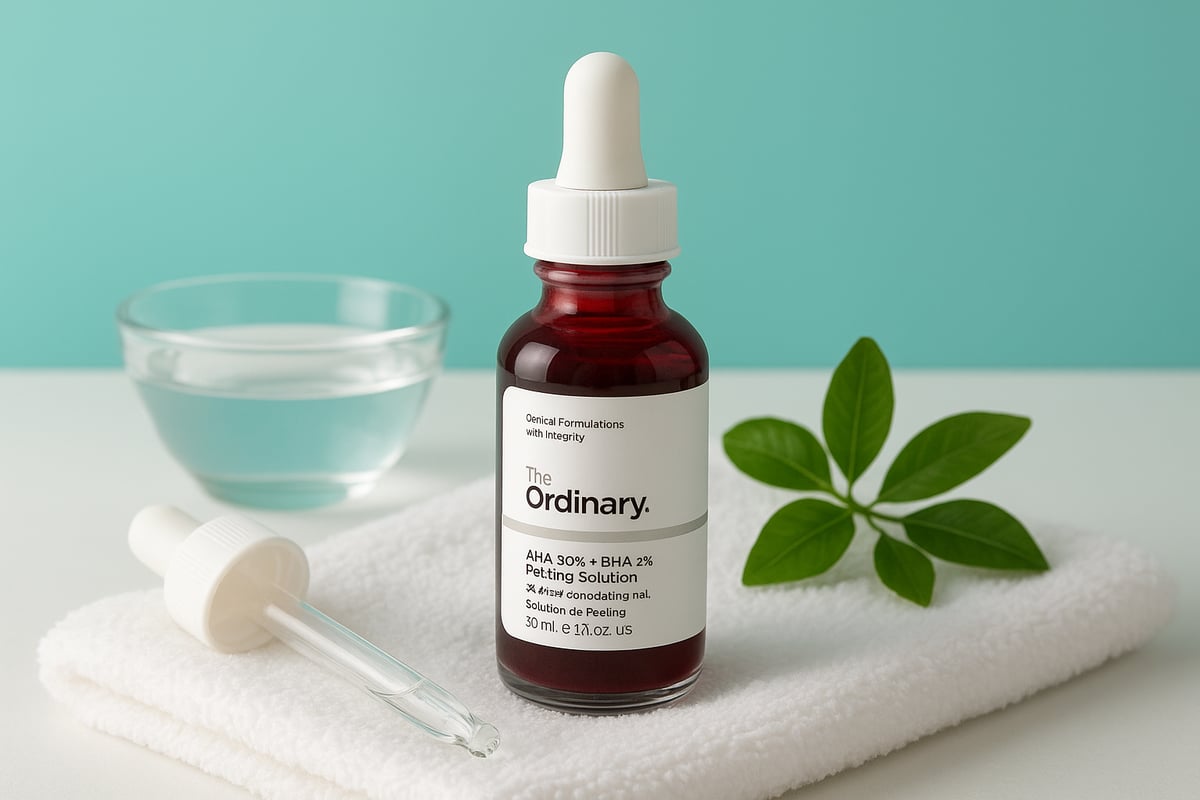
Curious about what sets the ordinary peeling serum apart in the skincare world? This cult favorite is a powerful at-home exfoliating solution featuring 30% alpha hydroxy acids (AHAs) and 2% beta hydroxy acid (BHA). Its main ingredients—glycolic acid, lactic acid, and salicylic acid—work together to target dullness, uneven texture, and clogged pores.
Instead of scrubbing the skin, this serum uses chemical exfoliation to dissolve dead skin cells gently and effectively. This process often delivers more even results with less risk of microtears compared to physical exfoliants.
The ordinary peeling serum is especially popular for those struggling with acne scars, rough texture, or lackluster skin. Many users and dermatologists report visibly brighter and smoother skin after just a few uses. In 2026, the formula remains unchanged, but updated safety guidelines recommend patch testing and increased awareness for sensitive skin.
When compared to other at-home peels, the ordinary peeling serum stands out due to its high concentration, affordable price, and consistent results. However, it is not suitable for sensitive or compromised skin types. For a more in-depth breakdown, visit The Ordinary Peeling Serum Guide.
Always approach this potent treatment with care, and consult a professional if you're unsure about starting a chemical exfoliant.
Benefits and Risks: What to Expect
Using the ordinary peeling serum can deliver impressive results for many skin types. Users often notice a brighter complexion, faded acne scars, and a smoother, more even texture. In fact, clinical research shows up to 80% of users report improved radiance after just four weeks of regular use.
Some of the main benefits include:
- Reduced dullness and rough patches
- Diminished post-acne marks
- Improved clarity and glow
You can find more details about these results and real-world experiences in this overview of Ordinary AHA BHA Serum Benefits.
However, the ordinary peeling serum is not without risks. Potential side effects include redness, irritation, and increased sensitivity, especially if overused or combined with other strong actives. Signs of over-exfoliation are flaking, tightness, or stinging that lasts beyond application.
Those who should avoid this serum include people with sensitive or compromised skin, pregnant women, and anyone using prescription retinoids. Dermatologists recommend starting slowly, patch testing before full use, and never layering with other exfoliating acids.
To sum up, patch testing and gradual introduction are crucial for safe results. By following these precautions, you can enjoy the powerful benefits of the ordinary peeling serum while minimizing any risks.
Step-by-Step: How to Use The Ordinary Peeling Serum Safely
Embarking on your journey with the ordinary peeling serum can feel exciting, but safety and results go hand in hand. Let’s walk through each step together, so you can glow with confidence and keep your skin happy.
Prepping Your Skin
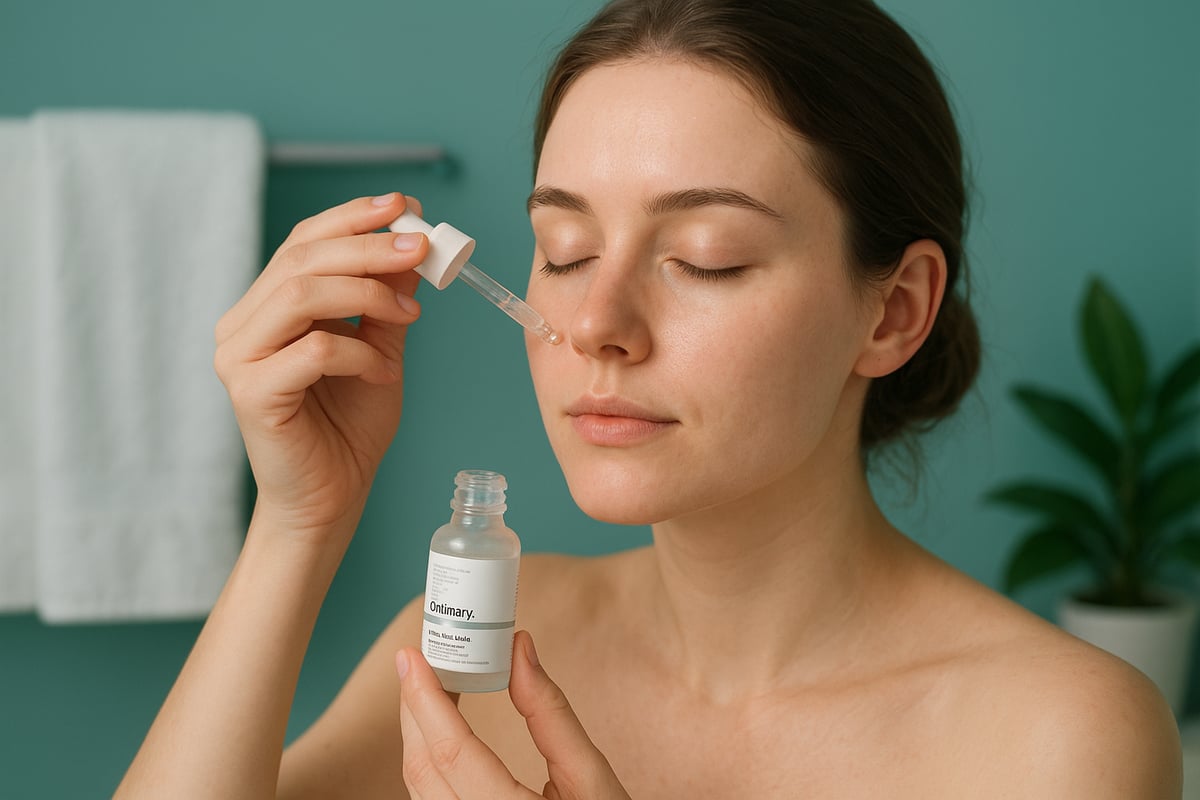
Before using the ordinary peeling serum, a thorough prep is key. Start by cleansing with a gentle, non-exfoliating cleanser. Make sure your skin is free of makeup and sunscreen, then pat it completely dry. This prevents extra irritation and ensures the serum works evenly.
Avoid using other exfoliants, acids, or retinoids for at least 24 hours before application. Always patch test the ordinary peeling serum on a small area, such as behind your ear, and wait 24 hours to check for any reaction. Skipping these steps can lead to sensitivity or redness.
Users often notice that careful prepping, including patch testing, leads to smoother, more comfortable results.
Applying the Serum
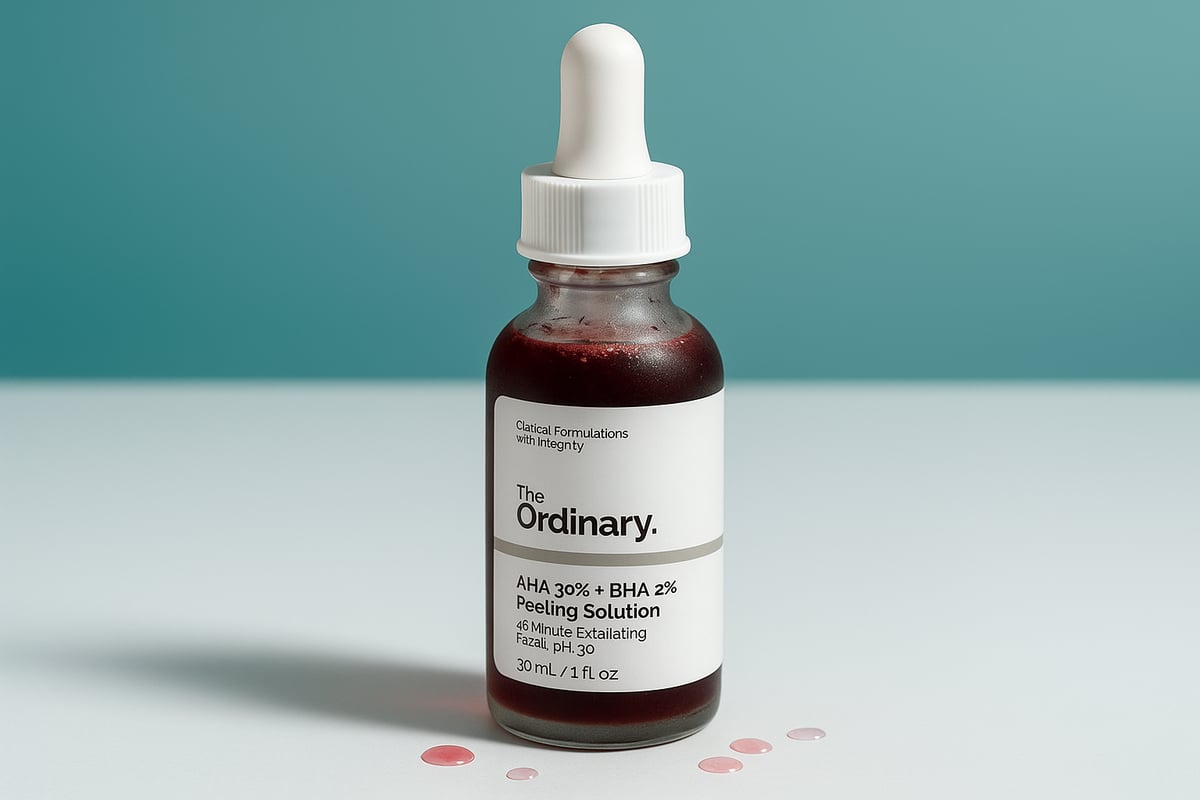
Apply a thin, even layer of the ordinary peeling serum to your face and neck, but steer clear of the eye contour and lips. One dropper-full is usually enough. Less is more here.
Leave the serum on for no more than 10 minutes. Beginners should start with once per week, allowing your skin to adjust. During application, a mild tingling feeling is normal, but burning means it’s time to rinse immediately.
Common pitfalls include using too much product or leaving it on too long, both of which can cause irritation. Stick to the guidelines for your best glow.
Aftercare and Recovery
Once your time is up, rinse thoroughly with lukewarm water, making sure all traces of the ordinary peeling serum are gone. Follow immediately with hydrating and barrier-repairing products like a gentle moisturizer or ceramide cream.
For the next 24 hours, avoid using other actives, sun exposure, or makeup. Daily SPF 30+ is non-negotiable to protect your fresh skin.
If you have sensitive skin, consider layering a rich, calming moisturizer. For more detailed aftercare routines, see the Complete Skin Care Guide for 2026.
Tracking Results and Adjusting Routine
Monitor your skin for improvements like brightness and smoother texture. Keep a simple skincare journal to note progress and any signs of irritation. If you notice redness or stinging, pause use and allow your skin to recover.
As your skin adapts, you may slowly increase the frequency of the ordinary peeling serum, but never more than twice weekly. Integrate supporting products, such as niacinamide or vitamin C, only on non-peel days.
Adjust your routine for seasonal or hormonal changes, and always consult a dermatologist for any concerns.
Expert Tips for Maximizing Results in 2026
Unlocking the best results from the ordinary peeling serum takes more than just following the label. Let’s explore how to tailor your approach, avoid common pitfalls, and stay ahead with expert-backed advice in 2026.
Customizing Your Routine
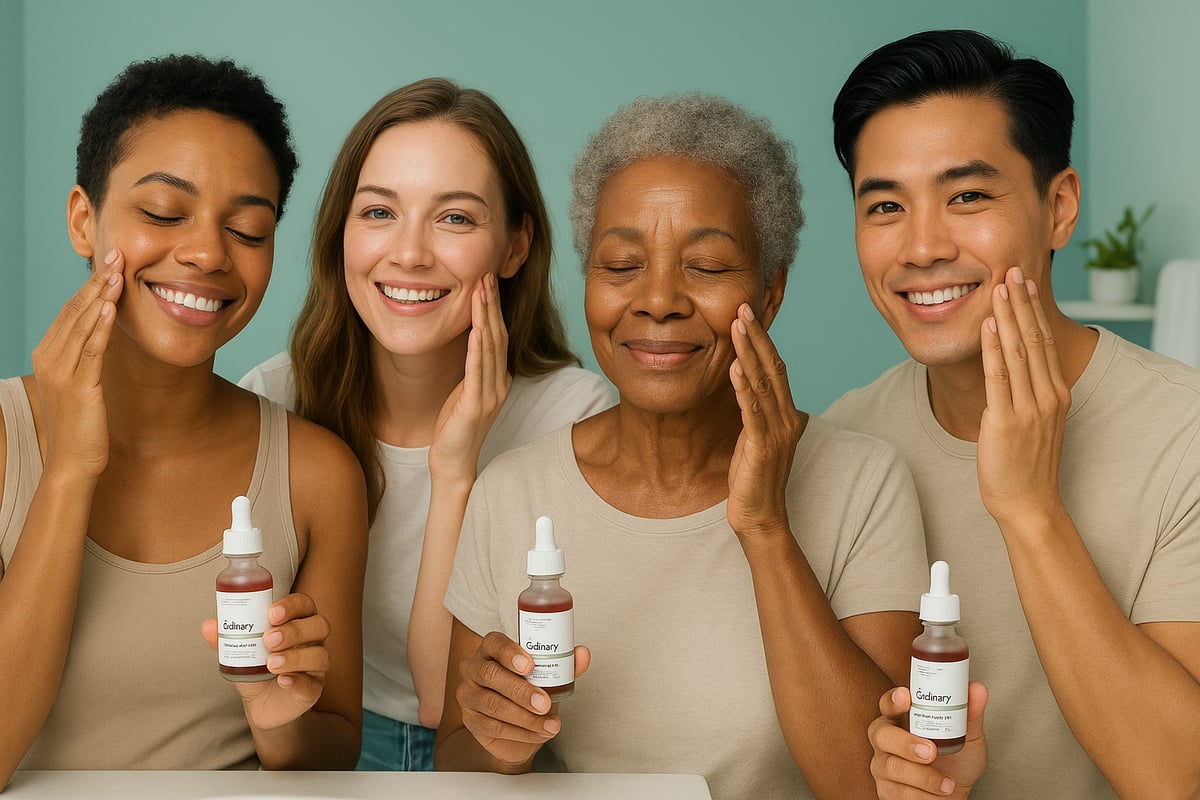
Personalizing your skincare is key to maximizing the ordinary peeling serum. Start by adjusting frequency: oily or acne-prone skin may use it weekly, while dry or mature skin might benefit from biweekly use. Always follow with hydrating serums and barrier-repair creams to lock in moisture.
Nighttime is best for application, as skin repairs itself overnight. Layer the ordinary peeling serum before any rich creams, and never mix it directly with strong actives like retinoids or vitamin C in the same session. For more tips on layering acids and tackling stubborn pigmentation, check out this Skincare Routine for Acne and Hyperpigmentation guide.
Avoiding Common Mistakes
Over-exfoliating is a top concern with the ordinary peeling serum. Watch for signs like persistent redness, stinging, or flaking. Remember, “purging” should be short-lived; ongoing irritation signals a problem.
Never use the serum on compromised skin or layer it with other acids or retinoids. Daily sunscreen is non-negotiable, as exfoliated skin is extra sensitive to UV rays. If you notice discomfort, pause use and focus on gentle recovery with soothing products.
Staying Informed with 2026 Best Practices
Stay up to date with emerging ingredient trends and dermatologist recommendations. In 2026, experts emphasize patch testing and gradual introduction for all at-home peels.
Check for updates on product regulations or warnings, especially if you have sensitive skin. Connect with online communities and your dermatologist for personalized support. Remember, a balanced approach to the ordinary peeling serum keeps your skin glowing and resilient.
Alternatives and Complementary Products
Looking for options beyond the ordinary peeling serum? Many at-home exfoliants offer unique benefits for different skin types. Lactic acid peels are gentler, making them ideal for dry or sensitive skin. Mandelic acid works more slowly, reducing irritation while targeting uneven tone. Enzyme masks, derived from fruits like papaya, provide a mild, non-abrasive exfoliation perfect for first-timers.
| Peel Type | Strength | Best For |
|---|---|---|
| Glycolic Acid | Moderate | Dull, textured |
| Lactic Acid | Gentle | Dry, sensitive |
| Mandelic Acid | Gentle/moderate | Oily, uneven tone |
| Enzyme Masks | Very gentle | Reactive, new users |
Clinical research, such as this efficacy of AHA and BHA peels in post-acne pigmentation, shows these alternatives can address concerns like hyperpigmentation and acne scars, similar to the ordinary peeling serum.
For best results, pair your exfoliant with hydrating masks, ceramide creams, and daily SPF. Alternate exfoliants throughout the week to avoid over-exfoliation. Sensitive skin? Limit usage and focus on barrier repair. If your skin feels compromised, pause actives and consider seeking professional advice.
While the ordinary peeling serum is affordable and accessible, professional treatments may suit those with persistent issues or advanced concerns. Remember, building a balanced routine keeps your skin glowing, healthy, and resilient in 2026.
Frequently Asked Questions About The Ordinary Peeling Serum
Curious about how to get the most from the ordinary peeling serum? Here are answers to the questions we hear most from our skincare community:
How often should you use it?
Most people start with once weekly, gradually increasing if their skin tolerates it well.
Can you use it with other actives?
Avoid layering with retinoids, vitamin C, or other strong acids on the same day.
What are signs of an adverse reaction?
Redness, burning, peeling, or stinging that lasts beyond rinsing means you should stop use.
Is it safe for teens or mature skin?
Yes, but always patch test and introduce slowly. Teens and mature users should check with a dermatologist if unsure.
What if you experience irritation?
Rinse off immediately, apply a gentle moisturizer, and pause use until skin recovers.
How long before seeing results?
Most notice brighter, smoother skin within 2–4 weeks.
Can it help with acne scars or hyperpigmentation?
Many users see improvement. For more on how its ingredients work, check this in-depth review on topical AHA in dermatology.
Where to find reliable guidance?
Consult a dermatologist or trusted skincare resources for advice tailored to your needs.
If you’re excited to put these expert tips into action and finally see the glowing, healthy skin you deserve, you’re not alone—we’re all on this journey together! By following the safe, step by step guide and making smart choices for your unique skin, you can achieve those radiant results you’ve been dreaming about. And remember, at Meta Skin Studio, we’re passionate about offering clean, professional grade skincare that really makes a difference. Ready to take the next step toward your best skin ever? Let’s do this together—Transform your skin today!
0 comments