
Finding a skin cream that genuinely transforms your complexion can feel overwhelming. With thousands of products lining store shelves and endless options online, how do you identify which formulations will address your unique skin concerns? Understanding what goes into these products and how ingredients work together is essential for making informed choices that support long-term skin health.
Understanding What Makes a Skin Cream Effective
Not all moisturizers are created equal. A skin cream should do more than temporarily hydrate; it needs to deliver active ingredients that penetrate the skin barrier and create lasting improvements.
The foundation of any quality formulation starts with understanding the main ingredients in skin cream, including emollients, humectants, and occlusives. Each component plays a specific role in maintaining moisture balance and supporting barrier function. Professional-grade products developed by skin therapists focus on synergistic ingredient combinations rather than single-ingredient marketing hype.
Key Components to Look For
When evaluating options, consider these essential elements:
- Humectants like hyaluronic acid and glycerin that draw moisture into the skin
- Emollients such as ceramides and fatty acids that smooth and soften
- Active ingredients targeting specific concerns like retinol for aging or niacinamide for barrier support
- Antioxidants including vitamin C and E that protect against environmental damage
- Barrier-supporting compounds that strengthen skin's natural defenses
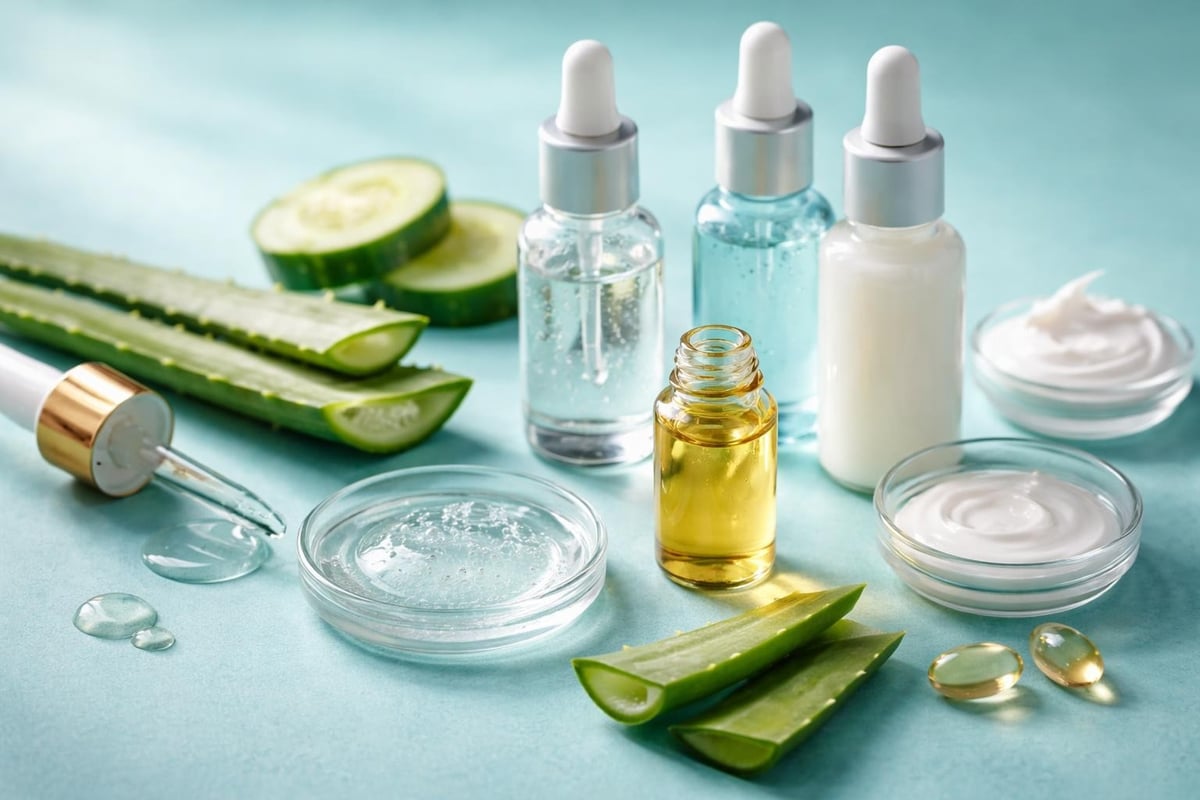
The concentration and quality of these ingredients matter significantly. A skin cream from a professional skincare line typically contains higher percentages of actives compared to mass-market alternatives, which explains why treatments designed by skin therapists often deliver more visible results.
Avoiding Harmful Ingredients in Your Skincare
Safety should never be compromised for results. Many conventional products contain questionable ingredients that may cause irritation or pose long-term health concerns.
The Campaign for Safe Cosmetics identifies numerous toxic ingredients commonly found in personal care products. Being aware of what to avoid protects both your immediate skin health and overall wellness.
Ingredients Worth Skipping
Here's what dermatologists and skin therapists recommend avoiding:
| Ingredient Type | Why Avoid | Common Names |
|---|---|---|
| Parabens | Potential hormone disruption | Methylparaben, propylparaben |
| Phthalates | Endocrine concerns | Often hidden in "fragrance" |
| Sulfates | Can strip natural oils | SLS, SLES |
| Synthetic fragrances | Irritation and sensitivity | "Parfum" or "fragrance" |
According to Healthline's guide to ingredients to avoid, these substances can compromise skin barrier function and trigger inflammatory responses. California-made products from companies committed to clean beauty often exclude these ingredients by default, prioritizing both efficacy and safety.
For those dealing with breakouts, selecting noncomedogenic moisturizers becomes especially important. A skin cream formulated for acne-prone complexions should never clog pores or exacerbate congestion.
Matching Your Cream to Your Skin Concerns
The most effective approach involves identifying your primary skin goals before shopping. Different concerns require different active ingredients and formulation styles.
Anti-Aging Solutions
Mature skin benefits from ingredients that boost collagen production and increase cell turnover. Look for formulations containing retinoids, peptides, and growth factors. The Clear Age Fibroblast Serum exemplifies how professional products target aging at the cellular level.
A skin cream designed for anti-aging should also include antioxidants to combat free radical damage. Vitamin C serums work beautifully when layered beneath richer creams, as explained in this guide to serums for skincare.
Acne and Congestion Management
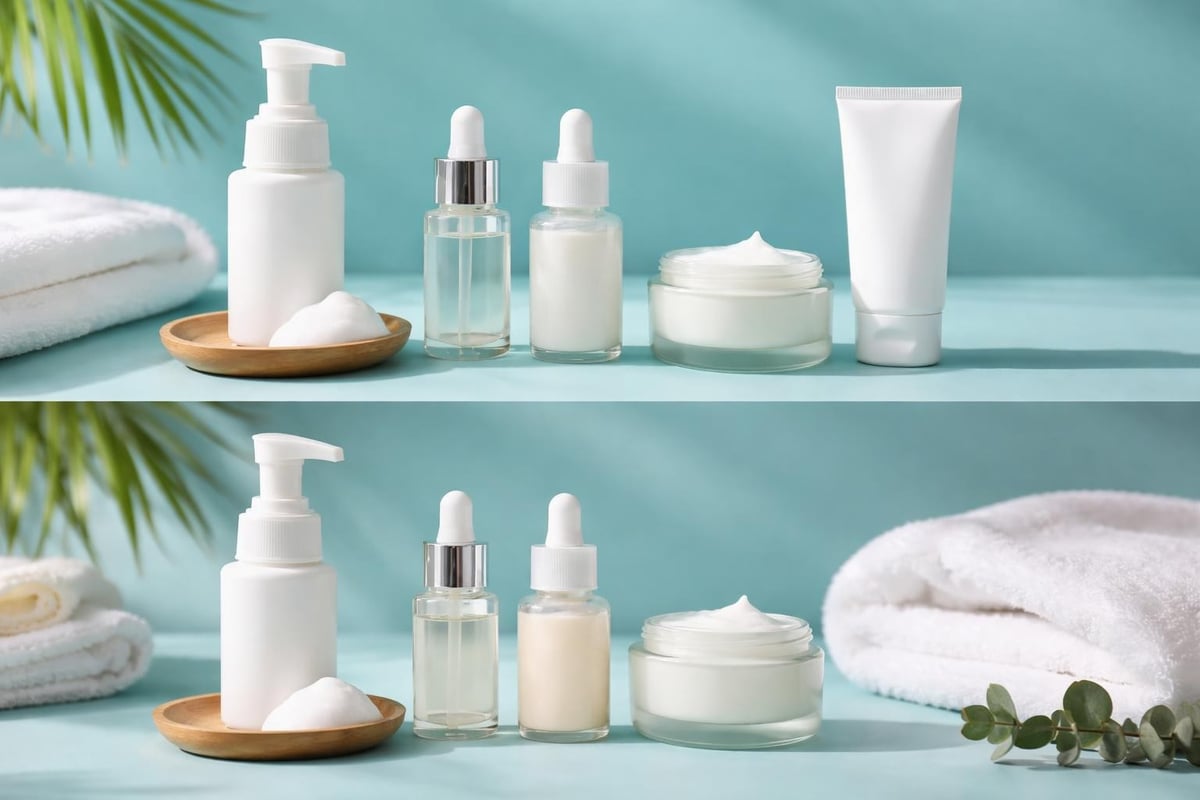
Breakout-prone skin requires lightweight, oil-free formulations with proven acne-fighting ingredients like salicylic acid, niacinamide, or azelaic acid. The Clear Age Soothing Moisturizer demonstrates how a skin cream can hydrate without triggering breakouts.
Barrier Restoration and Sensitivity
Compromised skin barriers need gentle, reparative ingredients. Ceramides, cholesterol, and fatty acids in the correct ratios help rebuild protective function. For those experiencing dryness, learning about dry skin serums complements understanding how creams seal in moisture.
Reading Labels Like a Professional
Ingredient lists can be confusing, but a few simple strategies help you decode them effectively. Skincare apps now make it easier to scan products and understand what you're actually applying.
Ingredients appear in descending order by concentration. The first five to seven ingredients make up the bulk of any formulation. A skin cream listing water, glycerin, and niacinamide at the top contains meaningful amounts of beneficial compounds.
Questions to Ask Before Purchasing
- Does this address my primary concern? Match active ingredients to your goals.
- Are there any irritants? Check for ingredients to avoid in skincare if you have sensitivities.
- What's the concentration of actives? Higher percentages typically deliver better results.
- Does it fit my routine? Consider texture, absorption time, and compatibility with other products.
- Is the brand transparent? Companies that list full ingredient percentages demonstrate confidence in their formulations.
Professional-grade options like the Nourishing Transformation Cream provide detailed ingredient information and application guidance, helping users maximize results.
Texture and Formulation Types
A skin cream's consistency should match both your skin type and climate. Lightweight gels suit oily complexions and humid environments, while richer creams benefit dry skin and colder months.
Gel creams absorb quickly and won't feel heavy on combination or oily skin. Traditional creams provide more occlusion and work well for normal to dry types. Balms and ointments offer maximum moisture retention for severely dehydrated skin.
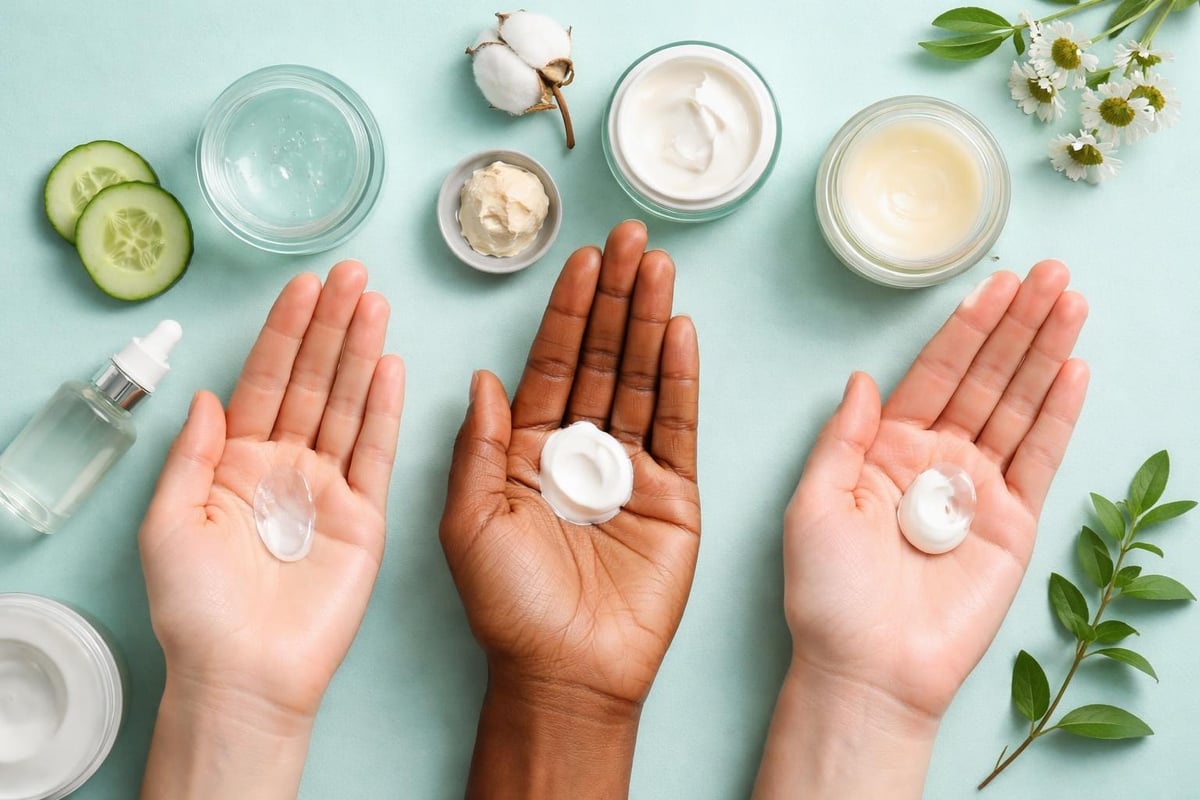
The Nourishing Transformation Cream Riche represents a heavier formulation ideal for those needing intensive hydration without sacrificing clean ingredients.
Building an Effective Skincare Routine
A skin cream works best as part of a complete regimen. Layering products correctly ensures each ingredient can perform optimally.
Your morning routine should include:
- Gentle cleanser
- Treatment serum
- Moisturizing cream
- Broad-spectrum SPF like Daily Replenishing SPF 30
Evening routines allow for more active ingredients since skin repairs itself during sleep. This is when stronger treatments and richer creams deliver maximum benefit.
Professional facial treatments complement at-home care by providing deeper exfoliation and intensive ingredient delivery that a skin cream alone cannot achieve. Combining professional services with quality home care creates the most dramatic improvements.
Selecting the right skincare requires understanding ingredients, avoiding harmful additives, and matching formulations to your specific concerns. When you're ready to experience professional-grade solutions developed by skin therapists who prioritize both results and safety, Meta Skin Studio offers California-made products designed to transform your skin health through clean, effective ingredients backed by expertise.
0 comments