
Your skin works tirelessly to protect you from the outside world, but sometimes it needs a little extra support. Whether you're dealing with dryness, irritation, or exposure to harsh elements, barrier skin cream can become your skin's best ally. These specialized formulations create a protective layer while supporting your skin's natural healing processes, making them essential for anyone committed to long-term skin health.
Understanding How Barrier Creams Work
At its core, a barrier skin cream functions as a shield between your skin and potentially harmful external factors. These products work differently from regular moisturizers because they're designed to create a physical barrier on your skin's surface.
According to DermNet NZ's overview of barrier creams, these formulations contain specific ingredients that form a protective film while allowing your skin to breathe and function normally. The science behind these creams involves creating an occlusive or semi-occlusive layer that prevents moisture loss and protects against irritants.
The Science Behind Skin Protection
Your skin's natural barrier, called the stratum corneum, serves as your first line of defense against environmental stressors. When this barrier becomes compromised through aging, harsh weather, or skin conditions, a barrier skin cream steps in to provide supplemental protection.
Key functions include:
- Preventing transepidermal water loss (TEWL)
- Blocking irritants and allergens from penetrating the skin
- Supporting the skin's natural pH balance
- Creating an optimal environment for skin repair
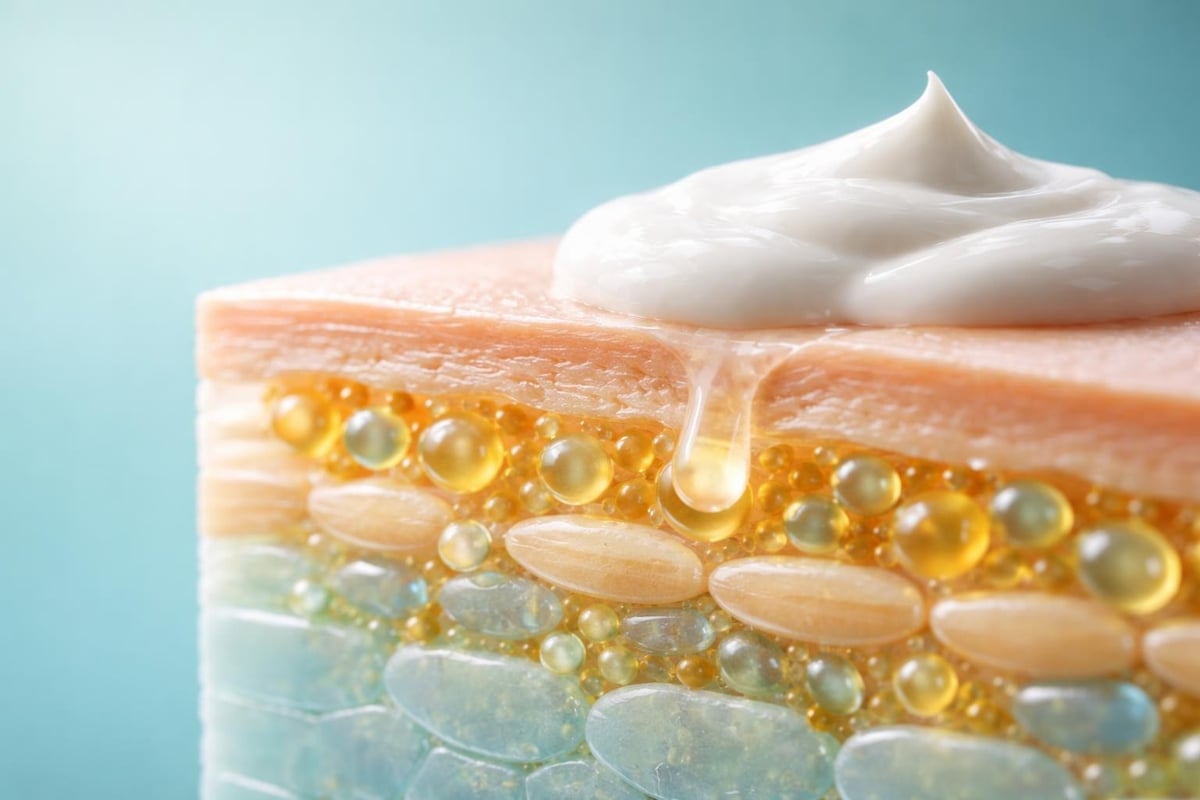
Research published in studies examining barrier cream efficacy demonstrates that properly formulated products can significantly reduce skin damage from occupational and environmental exposures. This makes them valuable not just for medical settings but for everyday skin health maintenance.
Essential Ingredients That Make a Difference
The effectiveness of any barrier skin cream depends heavily on its formulation. Professional-grade products combine multiple protective and nourishing ingredients to address various skin concerns.
| Ingredient Type | Primary Function | Skin Benefits |
|---|---|---|
| Dimethicone/Silicones | Creates water-resistant barrier | Protects without heaviness |
| Ceramides | Rebuilds lipid barrier | Restores natural protection |
| Zinc Oxide | Physical barrier | Soothes and protects |
| Petrolatum | Occlusive protection | Prevents moisture loss |
| Glycerin | Humectant | Attracts and retains moisture |
When choosing products for barrier restoration and skin health, look for formulations that combine protective barriers with active healing ingredients. The best options go beyond simple protection to actually support your skin's recovery.
Active Healing Components
Modern barrier creams incorporate advanced ingredients that work synergistically. Niacinamide helps strengthen the skin barrier while reducing inflammation. Hyaluronic acid provides deep hydration that works beneath the protective layer. Antioxidants like vitamin E protect against free radical damage while the barrier cream shields the surface.
At Meta Skin Studio, our approach combines these scientifically-backed ingredients with clean beauty standards, ensuring your skin receives protection without exposure to potentially harmful additives.
Choosing the Right Barrier Cream for Your Needs
Not all barrier skin creams are created equal, and your specific skin concerns should guide your selection. Different formulations serve different purposes, from daily protection to intensive repair.
Consider these factors:
- Skin type compatibility - Oily skin needs lighter, breathable formulations while dry skin benefits from richer creams
- Specific concerns - Acne-prone skin requires non-comedogenic options; sensitive skin needs fragrance-free formulas
- Environmental exposure - Harsh weather or occupational hazards demand stronger protective properties
- Additional benefits - Look for formulas offering anti-aging, brightening, or healing properties alongside protection
The comprehensive guide to barrier creams highlights that proper selection dramatically impacts effectiveness. A cream perfect for one person might be too heavy or insufficient for another.
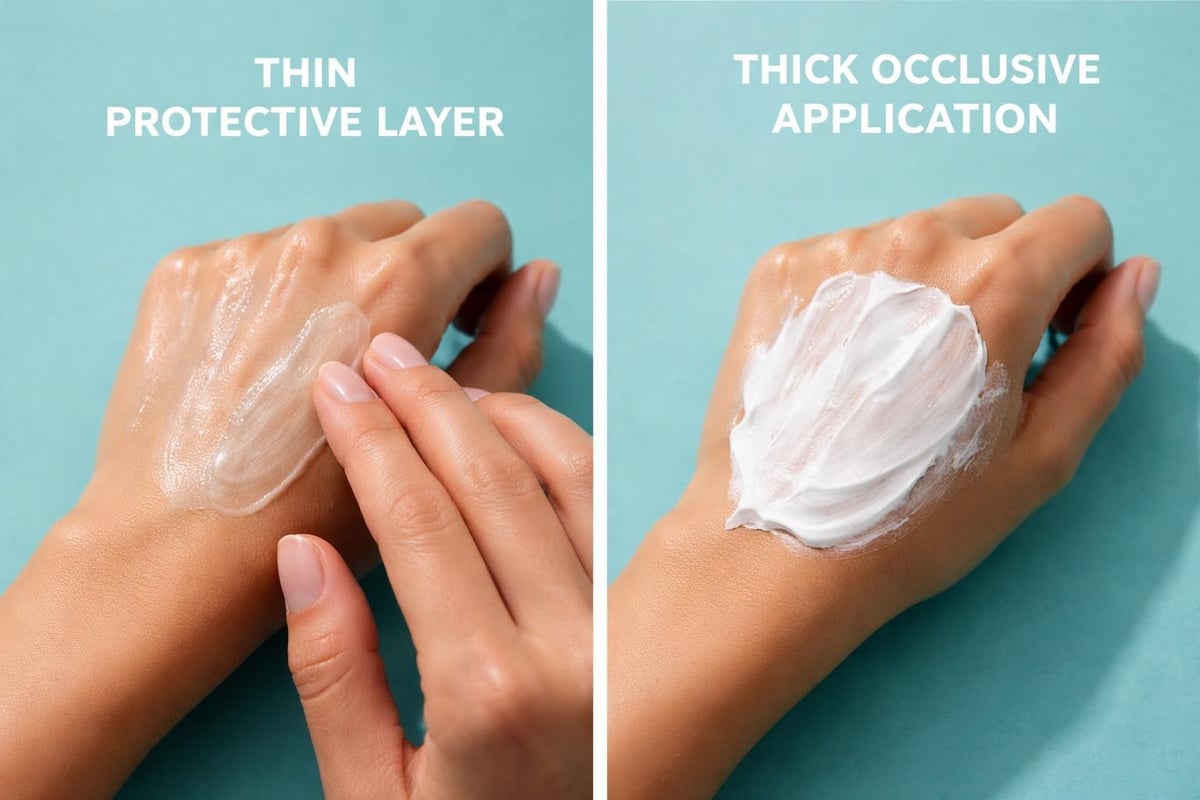
Professional-Grade vs. Over-the-Counter Options
Professional skincare solutions often contain higher concentrations of active ingredients and more sophisticated delivery systems. Products developed by skin therapists, like those from Meta Skin Studio, undergo rigorous testing to ensure both safety and efficacy.
When comparing options, examine the ingredient list carefully. Products like the Nourishing Transformation Cream combine barrier support with transformative ingredients that address multiple skin concerns simultaneously.
Application Techniques for Maximum Benefits
Even the best barrier skin cream won't deliver optimal results without proper application. The timing, amount, and method you use significantly impact how well the product protects and heals your skin.
Morning and Evening Routines
For daily protection, apply barrier cream as the final step in your morning routine, after serums like Antiox C Serum but before sunscreen. This layering technique ensures each product can perform its specific function.
Evening application focuses on repair. Apply barrier cream to slightly damp skin to seal in moisture and create the ideal environment for overnight healing. Research on protecting vulnerable skin from moisture-associated damage shows that consistent evening application significantly improves barrier function over time.
Application steps:
- Start with clean, toned skin
- Apply treatment serums and allow absorption
- Warm a small amount of barrier cream between your palms
- Press gently into skin using upward motions
- Pay extra attention to dry or compromised areas
Addressing Common Misconceptions
Despite their proven benefits, barrier creams sometimes face skepticism. Understanding the facts and controversies surrounding barrier creams helps you make informed decisions about your skincare routine.
One common myth suggests that barrier skin cream prevents the skin from breathing. In reality, properly formulated products allow normal skin function while providing protection. Your skin doesn't actually "breathe" through pores; it receives oxygen from your bloodstream.
Another misconception claims that barrier creams make skin "lazy" or dependent. The truth is that these products support your skin's natural functions rather than replacing them, similar to how protective treatments and moisturizers work together for optimal skin health.
When to Seek Professional Guidance
While barrier creams offer significant benefits, persistent skin issues warrant professional consultation. If you experience ongoing irritation, inflammation, or barrier damage despite using quality products, a skin therapist can provide personalized recommendations and treatments.
California-based skincare experts understand how environmental factors like sun exposure and dry climate impact skin health. Professional-grade solutions address these specific challenges while maintaining clean beauty standards that prioritize your long-term wellness.
Supporting your skin's natural barrier function is one of the most important steps you can take for lasting skin health and radiance. By understanding how barrier skin cream works and choosing quality formulations with proven ingredients, you're investing in your skin's resilience and beauty for years to come. At Meta Skin Studio, we've developed professional-grade barrier restoration products specifically designed to protect, heal, and transform your skin using clean, effective ingredients crafted by experienced skin therapists. Discover how our California-made solutions can help you achieve the healthy, protected skin you deserve.
0 comments