
If you've ever experienced tight, flaky, or uncomfortable skin, you're not alone. Dry skin affects millions of people, especially during colder months or in arid climates. The good news? Dry skin facials offer a targeted solution that goes beyond basic moisturizing. These specialized treatments deliver deep hydration while addressing the underlying causes of moisture loss, helping you achieve that healthy, dewy glow we all crave. Whether you're dealing with seasonal dryness or chronic dehydration, understanding how these facials work can transform your skincare journey.
What Makes Dry Skin Facials Different
Dry skin facials are specifically formulated to address moisture deficiency and strengthen your skin's natural barrier. Unlike standard facials that might incorporate drying ingredients or harsh exfoliation, these treatments focus on replenishing lost hydration and protecting against future moisture loss.
The key difference lies in the ingredient selection and technique. Professional therapists use hydrating serums, nourishing masks, and gentle massage methods that promote circulation without stripping away natural oils. According to Harvard Health's guidance on skin care and repair, maintaining proper moisture levels is essential for healthy skin function and appearance.
Core Components of Effective Treatments
Every quality dry skin facial includes several essential elements:
- Gentle cleansing that removes impurities without disrupting the skin barrier
- Hydrating serums containing hyaluronic acid, glycerin, or ceramides
- Nourishing masks with ingredients like honey, aloe vera, or botanical oils
- Protective moisturizers that lock in hydration for hours after treatment
- Facial massage techniques that boost circulation and product absorption
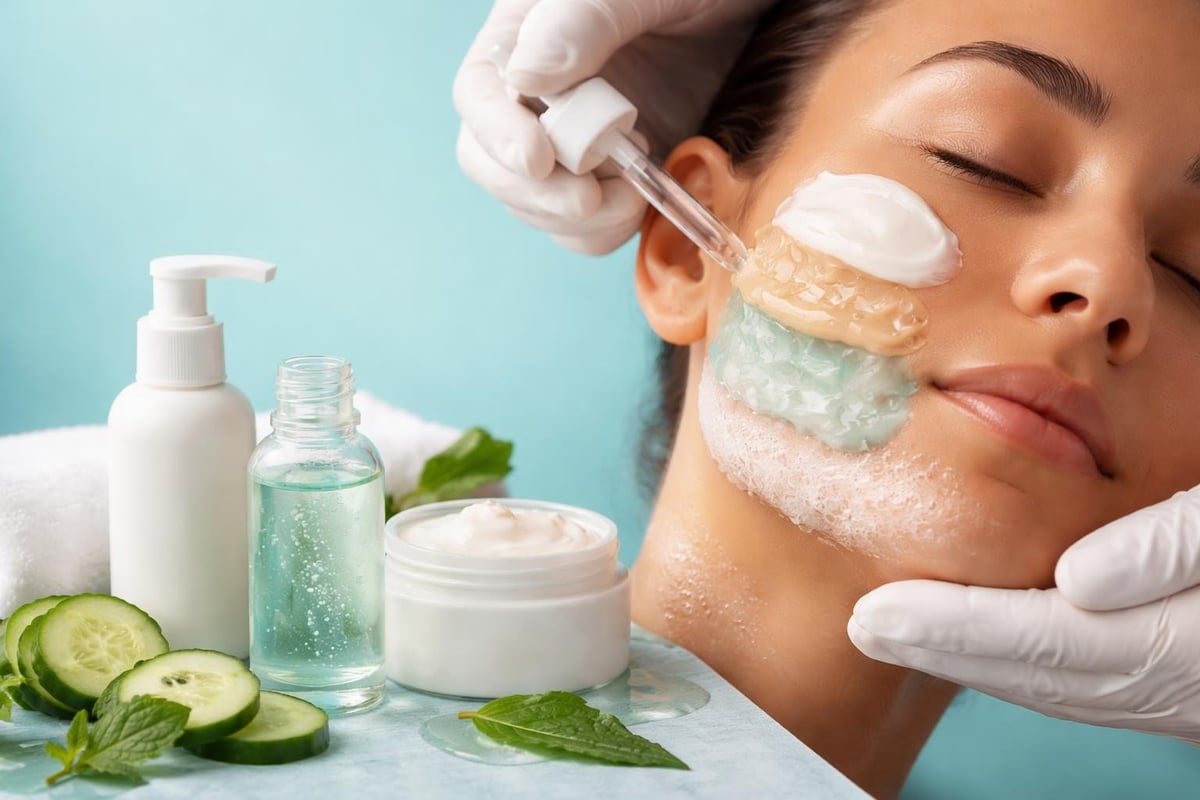
The principles of professional skin care facials emphasize customization based on individual skin needs. This personalized approach ensures that each treatment addresses your specific concerns, whether that's seasonal dryness, aging-related moisture loss, or barrier damage.
Popular Treatment Options for Dehydrated Skin
When exploring dry skin facials, you'll encounter several popular treatment types. Each offers unique benefits tailored to different severity levels and skin concerns.
| Treatment Type | Primary Benefit | Best For | Duration |
|---|---|---|---|
| Hydrating Facial | Deep moisture infusion | Mild to moderate dryness | 60 minutes |
| Oxygen Facial | Enhanced absorption | Dull, dehydrated skin | 45-60 minutes |
| Collagen Facial | Plumping and firming | Dry, aging skin | 75 minutes |
| LED Light Therapy | Cellular rejuvenation | Chronic dryness | 30-45 minutes |
Many experts recommend hydrating facials specifically designed for dry skin as a starting point. These treatments combine multiple hydration-boosting techniques in one comprehensive session.
Hydration-Focused Facial Techniques
Professional aestheticians employ specific methods to maximize moisture retention. The process typically follows these steps:
- Double cleanse with oil-based and gentle cream cleansers
- Light exfoliation using enzymes rather than abrasive scrubs
- Serum application with ingredients like serums designed for optimal skincare
- Sheet mask or cream mask saturated with hydrating compounds
- Facial massage to enhance product penetration
- Final moisturizer and SPF application
This methodical approach ensures each layer builds upon the previous one, creating a moisture barrier that lasts well beyond your appointment. Understanding your specific skin type helps determine which techniques will deliver the best results for your unique needs.
Addressing Dry Skin and Anti-Aging Simultaneously
One of the most exciting developments in dry skin facials is the integration of anti-aging technologies. Dry skin often shows signs of aging more prominently because lack of moisture accentuates fine lines and wrinkles.
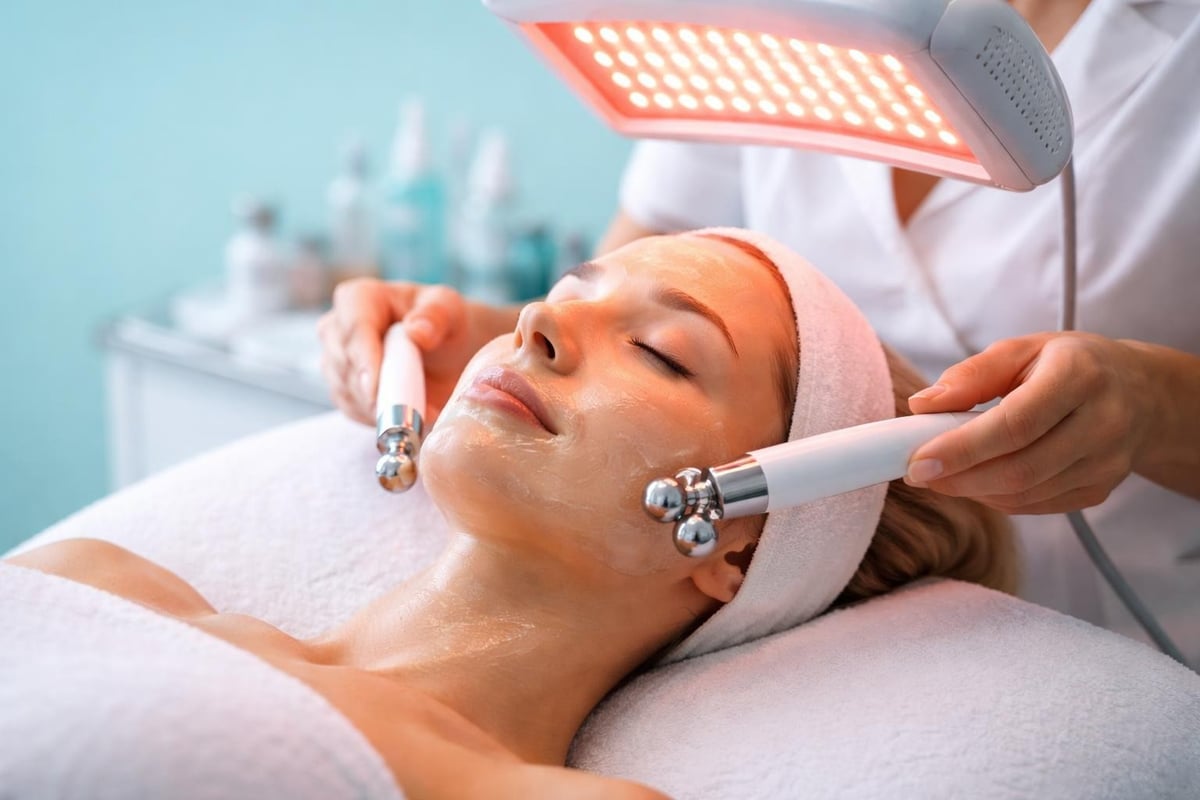
Modern treatments now incorporate anti-aging facials tailored for dry skin, which use gentle yet effective methods to address both concerns. These might include LED light therapy to stimulate collagen production or microcurrent technology that firms while hydrating.
The beauty of these combined approaches is that they recognize dry skin as more than just a surface issue. When you focus on skin barrier restoration, you're simultaneously addressing aging concerns because a healthy barrier function is essential for youthful-looking skin.
Ingredient Powerhouses for Dry Skin
Certain ingredients consistently deliver exceptional results in dry skin facials. Look for treatments featuring:
- Hyaluronic acid holds up to 1000 times its weight in water
- Ceramides repair and strengthen the moisture barrier
- Glycerin attracts moisture from the environment
- Niacinamide improves barrier function and reduces water loss
- Squalane mimics skin's natural oils for deep nourishment
- Peptides support collagen production and skin repair
Professional-grade formulations often combine multiple hydrating ingredients for synergistic effects. The top facials recommended for dry skin typically feature at least three or four of these moisture-boosting compounds.
Long-Term Benefits and Maintenance
Investing in dry skin facials delivers benefits that extend far beyond your treatment day. Regular sessions help retrain your skin to maintain optimal moisture levels, reducing dependency on constant product application.
What to Expect After Your Treatment
Immediately following a facial, you'll notice softer, more supple skin. But the real magic happens in the days and weeks after:
Short-term results (1-3 days):
- Immediate plumping and radiance
- Reduced tightness and discomfort
- Smoother texture and makeup application
Medium-term results (1-2 weeks):
- Improved skin barrier function
- Less flakiness and rough patches
- Enhanced absorption of home care products
Long-term results (with consistent treatments):
- Sustained moisture retention
- Reduced appearance of fine lines
- Improved overall skin health and resilience
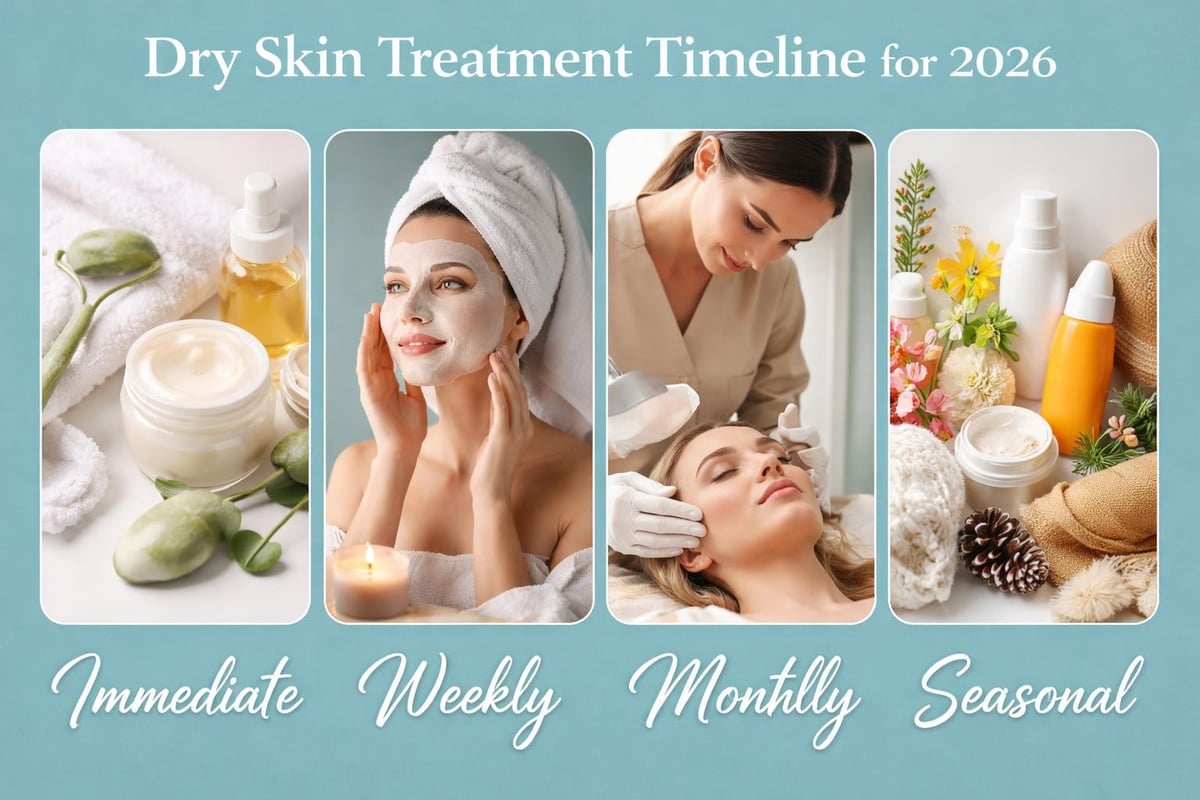
Research on hydrating facials for dryness shows that consistent treatments every 4-6 weeks deliver cumulative benefits. Your skin becomes better at maintaining its own moisture balance over time.
Professional vs. At-Home Care
While professional dry skin facials offer unparalleled results, maintaining that hydration between appointments requires a solid home care routine. Think of professional treatments as the foundation, with your daily regimen as the supporting structure.
| Aspect | Professional Facial | At-Home Care |
|---|---|---|
| Frequency | Every 4-6 weeks | Daily |
| Intensity | High-concentration actives | Moderate-strength formulas |
| Customization | Tailored by expert | Self-selected products |
| Technology | Advanced equipment | Manual application |
| Cost | Higher per session | Lower ongoing investment |
The detailed steps in facials for dry skin emphasize the importance of professional extraction, massage, and product layering that's difficult to replicate at home. However, maintaining proper cleansing, moisturizing for aging skin, and sun protection ensures your professional results last longer.
Many people find that combining monthly professional treatments with quality home care products creates the perfect balance. Understanding your specific skin concerns helps you build a regimen that supports your professional facial results.
Dry skin facials offer a comprehensive solution for anyone struggling with dehydration, tightness, or moisture-related aging concerns. By combining professional expertise with quality ingredients and proven techniques, these treatments restore your skin's natural radiance and resilience. Ready to experience the transformative power of professional-grade skincare? Discover how Meta Skin Studio can create a customized treatment plan tailored to your unique skin needs, using advanced formulations developed by skin therapists right here in California.
0 comments