
Ever feel overwhelmed by the endless choices in skincare? In 2026, skin reviews have become a lifeline for anyone hoping to make smart beauty decisions. With more products and promises than ever, it’s easy to get lost in the noise.
That’s why this guide is here: to bring you honest, up-to-date insights on skin reviews. We want you to feel confident as you navigate the ever-evolving world of skincare and find what truly works for you.
Ready to cut through the hype? We’ll explore how skin reviews work, what makes them trustworthy, the latest trends, and how to spot fake feedback. Plus, you’ll get expert tips for understanding results so you can take control of your skin health.
Let’s empower ourselves to make informed, healthy choices—together.
The Evolution of Skin Reviews: Trends and Changes for 2026
The world of skin reviews has undergone a dramatic transformation in recent years. In 2026, digital platforms and user-generated content have become the backbone of how we evaluate skincare products. No longer limited to simple written testimonials, skin reviews now blend technology, transparency, and community engagement for better decision-making.
Artificial intelligence and machine learning are playing a bigger role than ever. These innovations help spot fake or biased skin reviews, making it easier for us to find honest feedback. Tools like AI's Role in Detecting Fake Reviews are now part of the online shopping experience, scanning reviews for patterns that might signal deception or manipulation.
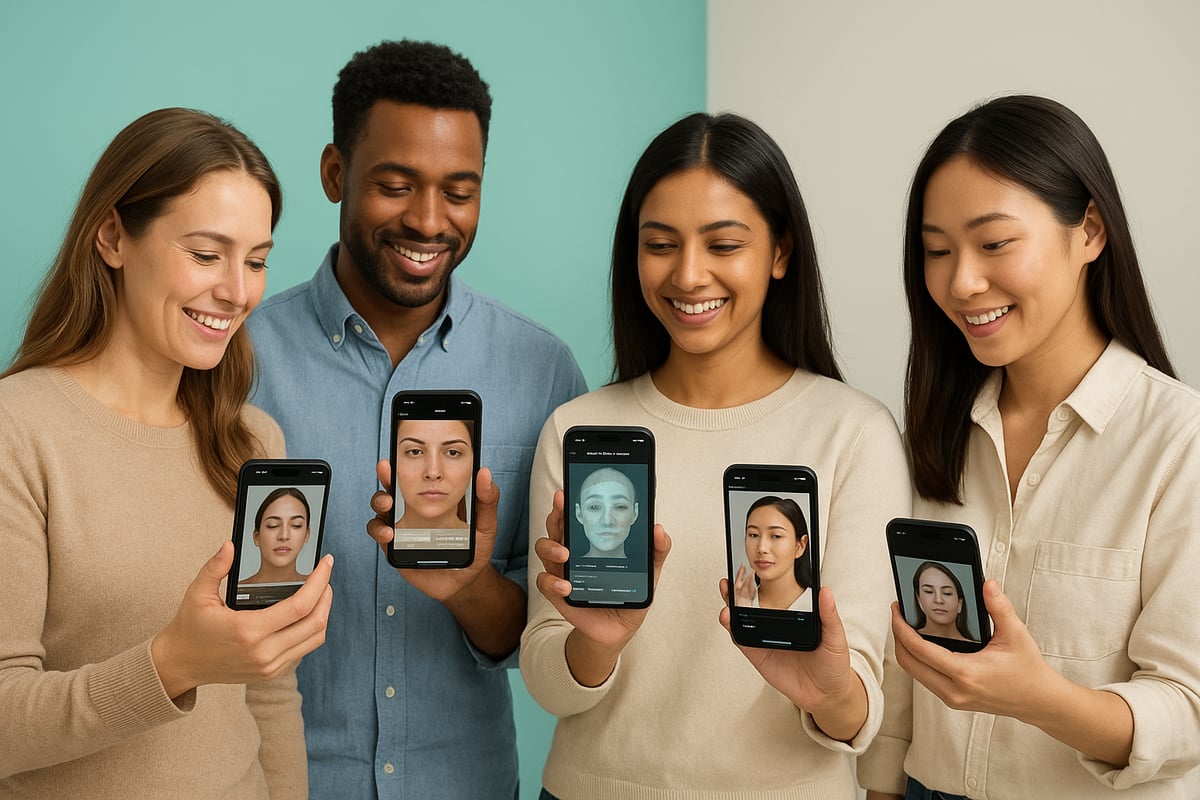
Social media platforms have shifted the landscape with short-form videos, before-and-after images, and real-time reactions. TikTok and Instagram Reels have become primary sources for skin reviews, offering authentic snapshots from real users. Verified purchases, dermatologist endorsements, and skin analysis technology—such as uploading photos for AI assessment—bring even more trust and personalization to the process.
Community-driven platforms and peer-to-peer recommendations now have more influence than brand marketing. In fact, 80% of consumers in 2026 trust peer skin reviews over traditional advertisements. This shift from static, text-based testimonials to interactive, multimedia reviews means we all have more tools and insights to make confident skincare choices.
What Makes a Skin Review Trustworthy?
When it comes to skin reviews, trust is everything. In a world where anyone can post an opinion online, knowing what makes feedback reliable helps us filter out noise and focus on what truly matters.
A trustworthy skin review should include:
- Authentic, firsthand experience with the product
- Detailed descriptions of results and application
- Verified purchase or proof of use
- A balanced perspective, sharing both pros and cons
Credentials matter too. Reviews from licensed estheticians or real customers carry more weight than anonymous or vague posts. Watch for red flags like generic language, repeated phrases, or a lack of specific product details.
Photo evidence is a game-changer. Over 60% of readers now look for before-and-after images to back up claims. Platforms with strong moderation and clear community guidelines help weed out misleading content.
Let’s compare:
| Review Type | Detail Level | Photo Evidence | Balance |
|---|---|---|---|
| Vague, one-sentence | Low | None | Missing |
| Detailed, photo-backed | High | Present | Balanced |
Spotting patterns across multiple skin reviews, rather than relying on a single opinion, leads to smarter decisions. In fact, recent statistics show that the majority of consumers are influenced by the authenticity and transparency of online reviews.

How to Interpret Skin Reviews for Your Unique Needs
Navigating the world of skin reviews can feel overwhelming, but you are not alone. By learning how to interpret feedback for your personal needs, you gain the power to make skincare choices that truly work for you. Let’s break down the process step by step, so you can read skin reviews with confidence and clarity.
Understanding Your Skin Type and Concerns
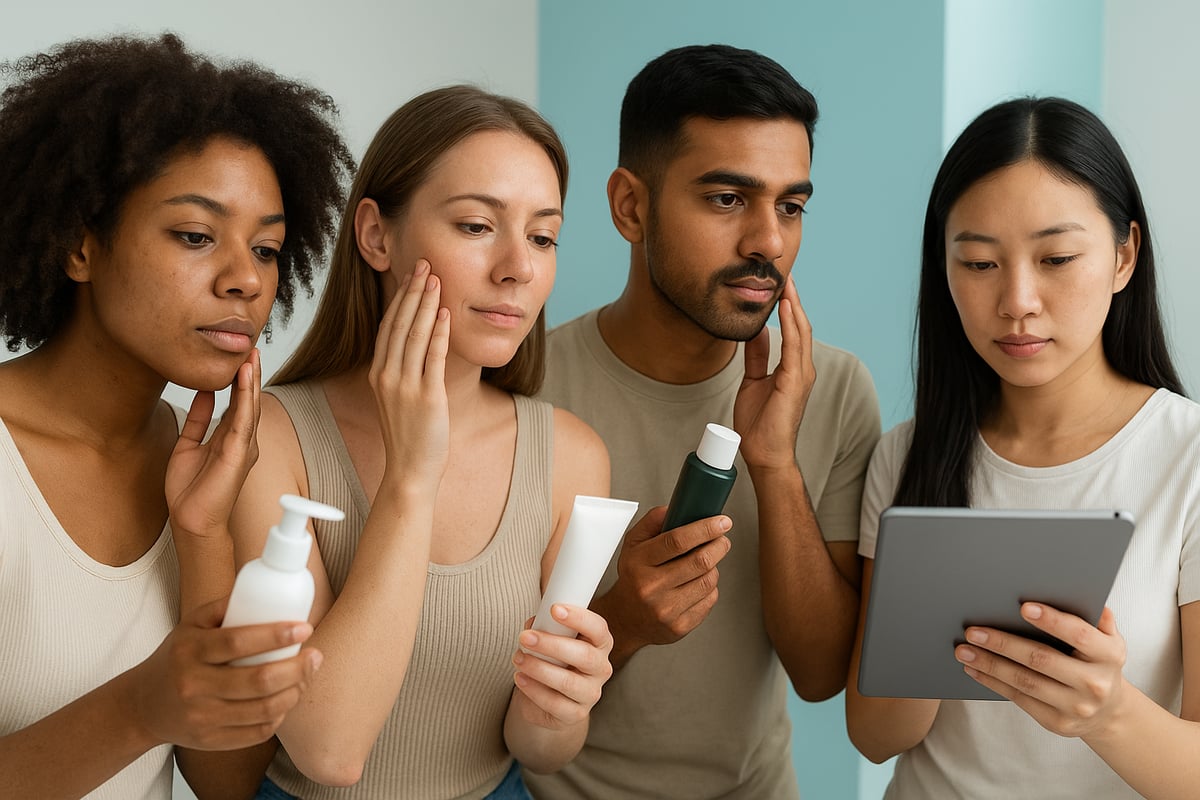
Before diving into skin reviews, it’s essential to identify your unique skin type—whether it’s oily, dry, combination, sensitive, or mature. Knowing your skin’s characteristics helps you match product claims and review experiences to your real needs.
For example, a product that receives glowing skin reviews for acne-prone users may not be suitable for someone with dry, sensitive skin. If you are unsure where you fit, our Skincare for Different Skin Types guide offers practical tips to help you connect reviews with your specific concerns.
Decoding Product Claims vs. Real Results
It’s easy to be swayed by marketing language, but reading skin reviews closely reveals how products perform in real life. Look for reviews that go beyond buzzwords and share genuine user experiences. Pay attention to details about how quickly results appeared, and whether improvements lasted over time.
Watch out for reviews that promise miracles or use vague language. The most helpful reviews discuss both instant effects and changes noticed after weeks of consistent use. This balance helps you set realistic expectations and avoid disappointment.
Weighing Pros and Cons Across Multiple Reviews
When comparing skin reviews, look for recurring themes that appear in both positive and negative feedback. Rather than focusing on a single glowing or critical comment, consider the bigger picture.
- Are multiple reviewers mentioning hydration or irritation?
- Do photos show consistent results?
- Is there consensus about texture, scent, or long-term benefits?
Use aggregate review scores as a helpful guide, but remember they are not the final word. By considering both patterns and outliers, you can make choices that reflect your unique needs and preferences.
Spotting Fake or Misleading Skin Reviews in 2026
In 2026, spotting fake or misleading skin reviews is more important than ever. With so many new products and voices online, it can be tough to know what's real and what is not. Scammers use deceptive tactics to sway buyers, making it essential for us to stay alert and protect our skincare decisions.
Fake skin reviews often use:
- Bot-generated or copy-pasted comments
- Incentivized testimonials in exchange for free products
- Astroturfing, where groups pose as genuine users to boost ratings
A red flag to watch for is a cluster of reviews posted within a short timeframe, often with similar wording or suspiciously high praise. These patterns can signal manipulation.
Thanks to advancements in technology, AI tools and browser plugins now help us spot suspicious skin reviews faster than ever. For a deeper look into how deep learning uncovers deceptive reviews, check out this comprehensive survey of deep learning techniques for fake review detection. In fact, up to 25% of beauty product reviews were flagged as suspicious in 2025–2026, pushing platforms to enforce stricter verification and track reviewer histories more closely.
To protect yourself, always cross-reference reviews across multiple platforms, check for reviewer diversity, and look for detailed, balanced feedback. Staying skeptical and thinking critically are your best defenses as you navigate the ever-evolving world of online skin reviews.
Expert Insights: What Dermatologists and Skin Therapists Look for in Reviews
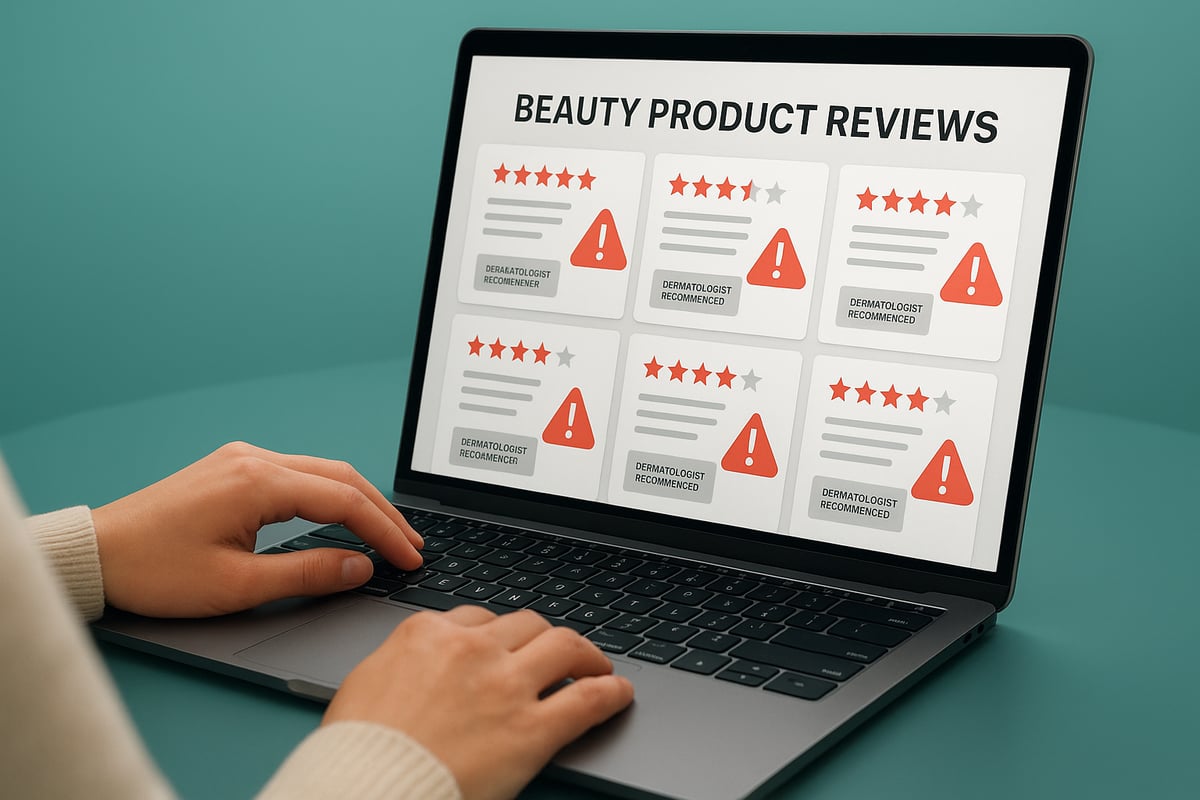
When it comes to skin reviews, dermatologists and skin therapists pay close attention to details that go beyond surface-level praise. They look for reviews that mention specific ingredients, before-and-after photos, and clear descriptions of the reviewer’s skin type. These details help professionals assess whether results are likely to be genuine or just anecdotal.
Clinical studies and third-party testing referenced in reviews add another layer of trust. Experts value reviews that cite scientific evidence, not just personal stories. For example, a dermatologist might look for discussions about peptides or microbiome-friendly formulas, which are trending in 2026.
Professionals also consider the credibility of anecdotal results. They compare multiple skin reviews to spot consistent patterns, rather than relying on single opinions. According to recent data, 70% of consumers are more likely to trust reviews that include professional insights.
Skin therapists often guide clients using educational reviews, helping them interpret both user experiences and clinical data. For a deeper dive into expert advice and updated standards, check out the Complete Skin Care Guide 2026. By balancing user feedback with scientific evidence, we can make smarter, more confident skincare choices.
The Future of Skin Reviews: What to Expect Beyond 2026
The future of skin reviews is arriving faster than we might imagine, bringing a wave of innovation and new possibilities. As technology and consumer needs evolve, our approach to evaluating skincare products will become even more personalized, interactive, and reliable.
Let’s take a look at what’s on the horizon for skin reviews:
- Personalized review algorithms: In the coming years, platforms will use genetic and biometric data to tailor skin reviews and recommendations for each person.
- Immersive AR/VR experiences: Imagine trying products virtually, seeing how they might affect your skin before making a purchase.
- Micro-influencers and niche leaders: Smaller, trusted voices in the skincare community will shape trends and guide buying decisions.
- Stronger regulations for sponsored reviews: Expect clearer labels and stricter guidelines, making it easier to spot genuine feedback.
- Virtual consultations paired with user reviews: You’ll be able to combine professional advice and community experiences for truly tailored recommendations. Curious about how to make the most of these evolving tools? The Clear Skin Studio Handbook offers practical tips for radiant results.
- Blockchain for authenticity: Secure, transparent records will help ensure reviews are genuine and traceable.
Of course, keeping up with fake or misleading reviews will remain a challenge. AI-generated content is getting more sophisticated, making advanced detection methods essential. For more on these challenges, see AI-Generated Fake Reviews and Detection Challenges.
As these changes unfold, critical reading skills will be more important than ever. By staying curious and informed, we can all make smarter choices and help shape the future of skin reviews together.
After diving into the world of honest skin reviews and learning how to spot real results, it’s empowering to know you have the tools to make the best choices for your skin. We all want to feel confident in our routines—especially when expert insights and real experiences come together to guide us. If you’re ready to put these tips into action and discover products made with care by skin therapists, we’re here for you. Let’s take the next step toward healthier, glowing skin together—Transform your skin today!
0 comments